

Skip to content

Print edition · Portland City Council · November 3, 2026

Governor of Oregon

3 candidates · Vote for one · Research reviewed September 18, 2026 · Lines edition 2026-09-19.1

Official list checked. Candidates appear alphabetically by displayed name and receive the same structure. We do not endorse, rank or score.

Our reading

Compare the mechanisms as well as the goals: expanded childcare, preschool and housing production with new data-center standards; tax, fee and regulatory cuts with stricter accountability for services; and state limits on participation in unauthorized wars. Ask what each would cost and who pays.

Draft; human review pending.

Said
A campaign statement, in our summary or their words.
Voted
A recorded Council roll call.
Not found
Not in the sources we reviewed. A research gap, not a position.
Yes No
The vote as the word, never as color alone.
Absent
Missed that roll call.
Not on committee
Had no vote in that committee.
NameRoleSummaryRent and homesCamps, crime and who respondsYour bills and taxesStreets, buses and air
Brett SmithWelder and inventorIn an August 2026 interview, Smith makes opposition to undeclared wars and two-party governance central to his candidacy.not found in the sources we reviewedWould expand the volunteer Oregon Civil Defense Force and bar unconstitutional surveillance.Would charge large employers paying below a living wage, funding health and food aid.Would permanently ban new data centers in Oregon.
Christine DrazanState senatorHer plan connects affordability to lower taxes and regulatory costs, faster construction and stronger expectations for schools and publicly funded services.Would cap housing permit decisions at 120 days and allow private plan reviewers.Would audit homelessness spending, fund recovery over low-barrier shelter, let cities clear public spaces.Would veto new taxes, raise the standard deduction, reform corporate and estate taxes.Would repeal the Climate Protection Program (state carbon limits) and seek lowest-cost power.
Tina KotekIncumbent governorHer September 2026 platform proposes expanded childcare and housing access, more classroom time, and economic development organized around existing businesses and emerging industries.Would cut red tape to build homes faster, with starter homes and down-payment help.Opposes ICE detention sites in Oregon; more treatment beds for addiction and mental health.Would ban personal-data pricing and hidden fees, keep data-center power costs off household bills.Would pause new data centers until statewide standards protect ratepayers and require clean energy.

Summaries are our one-line readings of what each candidate says. Issue lines are short forms of the positions in each brief, AI-drafted and awaiting human review; “—” means not found in the sources we reviewed.

No candidate in this race sits on Council today.

Not foundNo featured votes are selected for this race yet.

Brett Smith

Governor candidate · State of Oregon · November 3, 2026

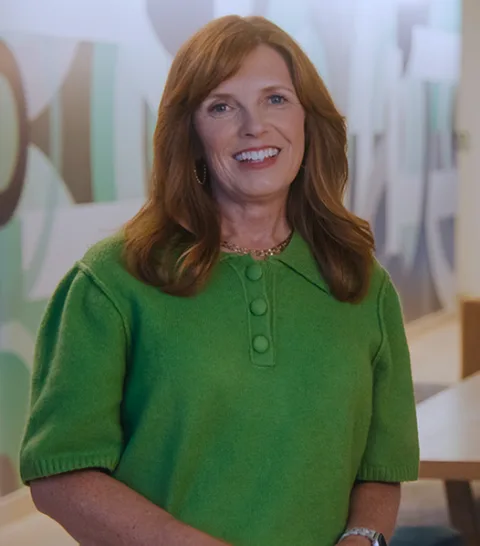
Brett Smith

Welder and inventor; previous congressional candidate.

Photo: Campaign photo · brett-smith.us

In their words

Said: It’s you that will make or break this race. It’s you that will challenge the status quo.

Voters’ pamphlet

Candidate statement · Filed for the November 2026 pamphlet; posted by the Secretary of State September 9, 2026; extracted September 21, 2026

Oregon voters’ pamphlet candidate statement · PDF page 31 ↗

Verbatim opening of the candidate's own statement; publication by the state does not verify the claims. Skipped before it: the headings “The Protest Vote”, “Protest”, “Vote” and the salutation “To Independents, third-party and unaffiliated.” (no predicate). The first sentence is under 12 words, so the first two are shown.

The verbatim opening of their voters’ pamphlet statement, the same rule for every candidate. We chose nothing.

What they say they would do

Our summary of their platform, in our words

In an August 2026 interview, Smith makes opposition to undeclared wars and two-party governance central to his candidacy.

  • Propose a state constitutional amendment protecting residents from drafts for wars without congressional authorization.
  • Strengthen civilian emergency preparedness.
  • Oppose Oregon ports handling weapons for wars lacking congressional authorization.

Our reading

Our interpretation, not their words
  • Anti-corruption
  • Limits on federal war powers

His plans use state offices and the Port of Portland to constrain federal war policy and large employers; their legal reach and the revenue projections rest on the campaign's own modeling.

Where they stand

Housing and homelessness

Not foundNot found in the sources we reviewed. That is a research gap, not a position.

Crime, drugs and who responds

Civil Defense Force
What
Said: Would bolster the volunteer Oregon Civil Defense Force, which he describes as a way to respond when federal agents act without a judge's warrant and to help with wildfires, and bars what he calls unconstitutional surveillance.
How
Said: Grow the volunteer force so the state has a realistic way to respond when federal agents act without a judge's warrant, and use it for wildfire and evacuation help.
Measured by
Not in their sources

Taxes, the kicker and the budget

Wage-gap surcharge
What
Said: Would impose a wage-gap surcharge on employers with 50 or more workers paying below a living wage and direct the revenue to the Oregon Health Plan and food assistance, order an independent audit of state systems and the tax code, and shift subsidies from corporations to local businesses and ranchers.
How
Said: A surcharge on employers with 50-plus workers, scaled from 0% at the living wage to 100% at the minimum wage and phased in over four years; 50% of revenue to the Oregon Health Plan, 30% to SNAP.
Measured by
Said: Campaign modeling projects $700 million to $3.4 billion a year recovered, with the full rate across all employer tiers by year four.

Roads, transit and climate

Permanent data-center ban
What
Said: Would impose a permanent moratorium on data centers.
How
Not in their sources
Measured by
Not in their sources

The choices this office faces

Every candidate in this race is asked the same 10 questions. Brett Smith is on record on 2, with 8 still open. A question without an answer is a research gap, not a position.

No answer we could find
  • Raise the gas tax and vehicle fees again to fund roads, after voters repealed the 2025 package?

    Nothing on this exact choice in the sources we reviewed.

  • Let the state hold back part of a kicker refund for other uses?

    Nothing on this exact choice in the sources we reviewed.

  • Should data centers pay a separate, higher electricity rate (the 2025 POWER Act)?

    Nothing on this exact choice in the sources we reviewed.

  • Keep the state homelessness emergency and its state-funded shelter beds going?

    Nothing on this exact choice in the sources we reviewed.

  • Keep the Climate Protection Program's declining cap on fuel emissions?

    Nothing on this exact choice in the sources we reviewed.

  • Keep Oregon's sanctuary-law limits on helping federal immigration enforcement?

    Nothing on this exact choice in the sources we reviewed.

  • Require districts to keep and add classroom hours even when budgets are short?

    Nothing on this exact choice in the sources we reviewed.

  • Build the Interstate Bridge replacement as planned, with tolls, or scale it back?

    Nothing on this exact choice in the sources we reviewed.

On record
  • Pause new data centers statewide until standards are set?

    Said: Pledges a permanent moratorium on data centers and calls himself the only anti-data-center candidate.

  • Raise new state taxes to cover the 2027–29 budget gap, or hold to cuts?

    Said: Would impose a surcharge on employers with 50 or more workers paying below a living wage, which his campaign models at $700 million to $3.4 billion a year for the Oregon Health Plan and food aid.

Compare every candidate

A question the evidence leaves open

How would these proposals operate within federal law, and what are your detailed housing, education and budget plans?

Sources (4)

  1. KEPW · interview with Brett SmithCandidate statement · August 2026
  2. 2026 qualified filing · Pacific GreenElection authority · Checked September 18, 2026
  3. Oregon voters’ pamphlet candidate statement · PDF page 31Candidate statement · Filed for the November 2026 pamphlet; posted by the Secretary of State September 9, 2026; reviewed September 21, 2026Campaign position. Claimed results and numerical premises have not automatically been independently verified.
  4. Smith · the Oregon planCandidate statement · Website reviewed September 21, 2026Campaign position. Claimed results and numerical premises have not automatically been independently verified.
Christine Drazan

Governor candidate · State of Oregon · November 3, 2026

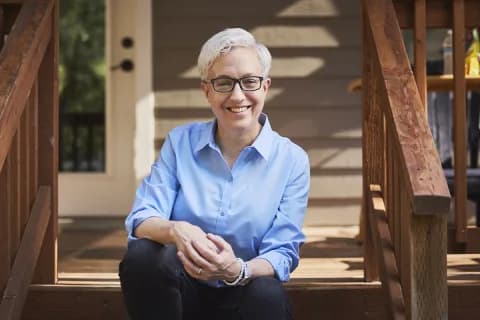
Christine Drazan

State senator; former House Republican leader.

Photo: Campaign photo · christinefororegon.com

In their words

Said: Christine Drazan will make government work for the people of Oregon so our state is a place where families can afford to put down roots, find a good-paying job, receive a world-class education and feel safe in their neighborhoods.

Voters’ pamphlet

Candidate statement · Filed for the November 2026 pamphlet; posted by the Secretary of State September 9, 2026; extracted September 21, 2026

Oregon voters’ pamphlet candidate statement · PDF page 35 ↗

Verbatim opening of the candidate's own statement; publication by the state does not verify the claims. Skipped before it: the heading “OREGONIANS DESERVE LEADERSHIP THAT PUTS THEM FIRST”, a quotation attributed “–Christine Drazan”, and the heading “DELIVERING ACCOUNTABILITY AND RESULTS”.

The verbatim opening of their voters’ pamphlet statement, the same rule for every candidate. We chose nothing.

What they say they would do

Our summary of their platform, in our words

Her plan connects affordability to lower taxes and regulatory costs, faster construction and stronger expectations for schools and publicly funded services.

  • Veto new taxes and fees; reform business and estate taxes and repeal the Climate Protection Program.
  • Set a 120-day housing-permit limit and permit private plan review.
  • Audit homelessness spending, expand treatment and recovery, and restore graduation standards.

Our reading

Our interpretation, not their words
  • Lower state-imposed costs
  • Results accountability

Vetoing taxes and repealing the Climate Protection Program lower costs the state imposes, but also revenue and emissions rules; the plan's projected savings and the outcomes it promises still need evidence.

Where they stand

Housing and homelessness

120-day permit limit
What
Said: Would set a 120-day maximum decision period for qualifying housing projects, limit repetitive appeals, expand private plan review, simplify commercial-to-housing conversions, create a state Housing Permit Command Center, and expand first-time-buyer credits and down-payment help from existing funds.
How
Said: A 120-day maximum decision period, limits on repetitive appeals, private plan reviewers when backlogs grow, a Housing Permit Command Center for concurrent agency reviews, a statewide library of pre-approved plans, and first-time-buyer credits from existing funds.
Measured by
Said: Says success is measured by actual units built, not by money spent or projects announced; no unit number or date is given.

Crime, drugs and who responds

Recovery first, audits
What
Said: Would audit homelessness and addiction spending, shift state money to recovery-focused programs, end funding for programs she says enable addiction, fully fund state police, let local governments clear public spaces and raise penalties for drug traffickers.
How
Said: A full audit of homeless and addiction spending, rule and grant changes shifting money to recovery programs, fully funded state police, higher trafficker penalties and a declared addiction and mental-health emergency.
Measured by
Said: Success measured by how many people move from homelessness into recovery, treatment and permanent stability rather than by dollars spent; no number or date is given.

Taxes, the kicker and the budget

Veto new taxes
What
Said: Would order agencies on day one to repeal rules and fees that raise costs, veto new taxes and fees, raise the standard deduction, reform the corporate activity and estate taxes, cut property taxes for seniors and veterans, and protect the kicker.
How
Said: A day-one executive order directing every agency to identify rules and fees that raise costs, an affordability review with published findings before new rules, vetoes of tax and fee increases, and tax changes through the Legislature.
Measured by
Said: An annual Cost of Government Report and a public scorecard tracking permit timelines, energy costs, housing production and job growth; no savings figure is stated.

Roads, transit and climate

Repeal carbon program
What
Said: Would repeal the Climate Protection Program executive order, favor existing generation, more transmission and technology-neutral energy with commissioners focused on lowest-cost power, and require community benefit agreements and farmland protection for data centers.
How
Said: Rescind the Climate Protection Program executive order, appoint utility commissioners focused on reliability and lowest-cost power, expand transmission, and require data centers to sign community benefit agreements.
Measured by
Not in their sources

The choices this office faces

Every candidate in this race is asked the same 10 questions. Christine Drazan is on record on 10. A question without an answer is a research gap, not a position.

On record
  • Raise the gas tax and vehicle fees again to fund roads, after voters repealed the 2025 package?

    Said: Voted no on HB 3991 in the House on September 1, 2025, and told KATU in April 2026 she would “balance the budget without new taxes,” putting potholes, maintenance and preservation first.

  • Let the state hold back part of a kicker refund for other uses?

    Said: Would “protect Oregon’s kicker” by vetoing legislative attempts to take it from taxpayers.

  • Pause new data centers statewide until standards are set?

    Said: Told KATU on September 8, 2026 that the governor “should issue a moratorium immediately” and that Oregon should have an immediate statewide moratorium; her plan adds community benefit agreements and a ban on blanket NDAs.

  • Should data centers pay a separate, higher electricity rate (the 2025 POWER Act)?

    Said: Voted no on HB 3546’s final House passage on June 5, 2025; her plan does not say whether she would repeal the law.

  • Keep the state homelessness emergency and its state-funded shelter beds going?

    Said: Would declare an emergency on addiction and mental health instead, audit homeless and addiction spending, and shift state money to recovery programs; says success should not be measured by low-barrier shelter beds.

  • Keep the Climate Protection Program's declining cap on fuel emissions?

    Said: Would repeal the Climate Protection Program, which she calls a costly executive order that raised utility and gas prices and threatened jobs.

  • Keep Oregon's sanctuary-law limits on helping federal immigration enforcement?

    Said: Told KATU in April 2026 that Oregon’s sanctuary laws “have gone too far,” citing Corrections declining a U.S. attorney’s request about 30 people, and wants law enforcement able to work with federal law enforcement.

  • Require districts to keep and add classroom hours even when budgets are short?

    Said: Would increase classroom time by moving Oregon from an instructional-hours system to a school-day system with statewide standards for what counts as a school day.

  • Raise new state taxes to cover the 2027–29 budget gap, or hold to cuts?

    Said: Says business taxes are too high and Salem should tighten its belt; would raise the Corporate Activity Tax threshold past the $2 million the governor’s Prosperity Council suggested, reform the estate tax and selectively preempt local taxes.

  • Build the Interstate Bridge replacement as planned, with tolls, or scale it back?

    Said: Says the state “can’t afford the I-5 bridge that they’re proposing,” objecting to the share of deck for biking, walking and transit, and would build a bridge Oregon can afford.

Compare every candidate

A question the evidence leaves open

Which services would you reduce if tax changes lower revenue, and how would you evaluate faster permitting and treatment outcomes?

Sources (4)

  1. Drazan · policy planCandidate statement · Undated page; reviewed September 18, 2026
  2. 2026 qualified filing · RepublicanElection authority · Checked September 18, 2026
  3. 2026 qualified filing · LibertarianElection authority · Checked September 18, 2026
  4. Oregon voters’ pamphlet candidate statement · PDF page 35Candidate statement · Filed for the November 2026 pamphlet; posted by the Secretary of State September 9, 2026; reviewed September 21, 2026Campaign position. Claimed results and numerical premises have not automatically been independently verified.
Tina Kotek

Governor candidate · State of Oregon · November 3, 2026

Tina Kotek

Incumbent governor; former Oregon House speaker.

Photo: Campaign photo · tinafororegon.com

In their words

Said: Tina Kotek has never been satisfied with the status quo. She started her career at Oregon Food Bank because she believes no one should go hungry.

Voters’ pamphlet

Candidate statement · Filed for the November 2026 pamphlet; posted by the Secretary of State September 9, 2026; extracted September 21, 2026

Oregon voters’ pamphlet candidate statement · PDF page 33 ↗

Verbatim opening of the candidate's own statement; publication by the state does not verify the claims. Skipped before it: the slogan “Fighting for Us. Always.” (no predicate). The first sentence is under 12 words, so the first two are shown.

The verbatim opening of their voters’ pamphlet statement, the same rule for every candidate. We chose nothing.

What they say they would do

Our summary of their platform, in our words

Her September 2026 platform proposes expanded childcare and housing access, more classroom time, and economic development organized around existing businesses and emerging industries.

  • Develop a path toward universal preschool and expand infant and toddler care.
  • Pause new data-center development until statewide standards protect ratepayers and require clean energy and union jobs.
  • Increase instructional time and support renters and first-time buyers.

Our reading

Our interpretation, not their words
  • Expanded public services
  • Guardrails on data centers

Universal preschool, more classroom time and faster housing production all need recurring money; the reviewed platform sets goals and conditions but not the budget that pays for them or what would be reduced.

Where they stand

Housing and homelessness

Faster homebuilding
What
Said: Would cut red tape to speed construction, expand options for renters and first-time buyers, and grow starter-home development and down-payment assistance; cites the housing emergency she declared and added shelter and treatment beds.
How
Said: Cut red tape to expedite construction, expand starter-home development and down-payment assistance programs, and set enforceable statewide permitting timelines.
Measured by
Said: Points to housing starts up 11.3% (outpacing the nation, she says), more than 6,200 shelter beds and nearly 26,000 households kept housed as the results so far; no second-term target is stated.

Crime, drugs and who responds

No ICE detention sites
What
Said: Opposes ICE detention facilities in Oregon and the use of automated license-plate readers or cameras for immigration enforcement, cites blocking a National Guard deployment in Portland, and would keep expanding mental-health and addiction treatment capacity.
How
Said: Bar automated license-plate readers and cameras from immigration enforcement, oppose ICE detention facilities, direct state agencies to uphold sanctuary protections, and grow the behavioral-health workforce.
Measured by
Said: Cites more than 1,660 new treatment beds, a 45% increase in adult treatment capacity, as the result so far; no target for the next term is named.

Taxes, the kicker and the budget

Ban hidden fees
What
Said: Would ban pricing schemes that charge people differently based on personal data, crack down on hidden fees, stop AI-based insurance claim denials, keep data-center energy costs off residential bills, and fight federal tariffs and SNAP cuts.
How
Said: Legislation banning data-based price discrimination and hidden fees and prohibiting AI-driven insurance denials; cites the POWER Act she signed to make data centers pay their share of energy costs.
Measured by
Not in their sources

Roads, transit and climate

Pause new data centers
What
Said: Supports a moratorium on new data centers until statewide standards prevent rate hikes, require clean energy and protect air and water; would maintain the commitment to a clean-energy future and climate-resilience investment.
How
Said: A statewide prohibition on new data-center development until standards prevent rate hikes, require clean-energy production and protect air and water; a Climate Resilience Investment Act she cites as signed.
Measured by
Said: A goal to protect 10% more of Oregon's most climate-resilient lands and waters over the next decade; no emissions or rate target is stated.

The choices this office faces

Every candidate in this race is asked the same 10 questions. Tina Kotek is on record on 10. A question without an answer is a research gap, not a position.

On record
  • Raise the gas tax and vehicle fees again to fund roads, after voters repealed the 2025 package?

    Said: Called the 2025 special session and signed HB 3991’s gas-tax and fee increases; in January 2026 asked lawmakers to repeal it, and after voters did she pledged bipartisan work on a 2027 package.

  • Let the state hold back part of a kicker refund for other uses?

    Said: Told reporters in May 2025 she would support withholding about $1 billion of the $1.64 billion kicker, one time and from high earners, for wildfire costs; her office later proposed Rainy Day Fund money instead.

  • Pause new data centers statewide until standards are set?

    Said: Said September 8, 2026 she supports a moratorium until development is “done on our terms,” paused state-land deals through July 1, 2027, and will bring the Legislature a statewide framework in 2027.

  • Should data centers pay a separate, higher electricity rate (the 2025 POWER Act)?

    Said: Signed HB 3546 on June 16, 2025; her office credits it with a 29% rate increase on data-center corporations and rate decreases for other PGE customers.

  • Keep the state homelessness emergency and its state-funded shelter beds going?

    Said: Extended the homelessness emergency by Executive Order 26-01 through January 10, 2027, with goals of rehousing 1,400 more households and preventing homelessness for 8,000, after signing HB 3644’s $204.9 million shelter program.

  • Keep the Climate Protection Program's declining cap on fuel emissions?

    Said: Backed the Environmental Quality Commission’s re-adoption of the program on November 21, 2024, saying it “will keep polluters accountable and fund community investments” that cut emissions.

  • Keep Oregon's sanctuary-law limits on helping federal immigration enforcement?

    Said: Created an interagency council on the state’s response to federal enforcement (EO 26-04, January 30, 2026), signed eight immigrant-protection bills April 9, 2026, and opposes ICE detention facilities in Oregon.

  • Require districts to keep and add classroom hours even when budgets are short?

    Said: Executive Order 26-06 bars districts from cutting instructional time for budget reasons and ends waivers below the minimum; her platform sets a goal of reaching the national average by the end of a second term.

  • Raise new state taxes to cover the 2027–29 budget gap, or hold to cuts?

    Said: Open to raising the Corporate Activity Tax threshold for small businesses if trimming tax breaks that haven’t helped competitiveness pays for it; wants an outside-led tax review; did not say whether she would seek new taxes.

    On the topic; the exact choice is unsaid.

  • Build the Interstate Bridge replacement as planned, with tolls, or scale it back?

    Said: With Washington’s governor, said March 17, 2026 the states remain “fully committed” to replacing the bridge, starting with a core set of projects funded by committed federal, state and toll money.

Compare every candidate

A question the evidence leaves open

How would the next budget pay for childcare and school expansion, and what would be reduced or taxed to do so?

Sources (4)

  1. Kotek · second-term platformCandidate statement · Released September 17, 2026; reviewed September 18
  2. 2026 qualified filing · DemocratElection authority · Checked September 18, 2026
  3. 2026 qualified filing · Working FamiliesElection authority · Checked September 18, 2026
  4. Oregon voters’ pamphlet candidate statement · PDF page 33Candidate statement · Filed for the November 2026 pamphlet; posted by the Secretary of State September 9, 2026; reviewed September 21, 2026Campaign position. Claimed results and numerical premises have not automatically been independently verified.