One emphasizes public investment and labor protections; another combines enforcement and regulatory relief with a conditional immigration-status proposal; a third proposes much larger changes to ownership, social provision and military spending.
Draft; human review pending.
Key
Said
A campaign statement, in our summary or their words.
Voted
A recorded Council roll call.
— Not found
Not in the sources we reviewed. A research gap, not a position.
Supports stronger labor rights, expanded healthcare access and federal assistance to reduce housing and childcare costs.
Would add housing vouchers, a renter tax credit and down-payment help for first-time buyers.
—not found in the sources we reviewed
Would restore health-insurance premium credits, protect Social Security and Medicare, fight tariffs.
Would fund wildfire-risk reduction, protect Southwest Oregon rivers, move off fossil fuels.
Summaries are our one-line readings of what each candidate says. Issue lines are short forms of the positions in each brief, AI-drafted and awaiting human review; “—” means not found in the sources we reviewed.
Four votes that split this Council
No candidate in this race sits on Council today.
— Not foundNo featured votes are selected for this race yet.
Candidate briefs, A–Z
JFPortrait to come
U.S. House · District 4 candidate · U.S. Congress · November 3, 2026
Justin Filip
Pacific Green and Progressive nominee.
In their words
Said: I will be a voice in Congress for those whose interests are often neglected by our government.
Voters’ pamphlet
Candidate statement · Filed for the November 2026 pamphlet; posted by the Secretary of State September 9, 2026; extracted September 21, 2026
Verbatim opening of the candidate's own statement; publication by the state does not verify the claims. Nothing was skipped before it.
The verbatim opening of their voters’ pamphlet statement, the same rule for every candidate. We chose nothing.
What they say they would do
Our summary of their platform, in our words
Proposes universal public services, expanded worker protections and substantial redistribution of resources away from military spending.
Establish a $25 minimum wage, a federal job guarantee and stronger paid-leave rights.
Provide Medicare for All and move toward public ownership of healthcare and pharmaceutical systems.
Reduce military spending by 50–75% and nationalize energy and rail systems.
Our reading
Our interpretation, not their words
Public ownership
Demilitarized budgets
Nationalizing energy and rail, Medicare for All and a $25 minimum wage are financed in his plan by cutting the military budget by half or more; each is a major bill with no sequencing in the reviewed pages.
Said: Wants federal dollars brought back to the district for the housing and unhoused crisis, and involuntary homelessness abolished.
How
— Not in their sources
Measured by
— Not in their sources
Public safety and immigration
Abolish ICE
What
Said: Would abolish ICE and replace it with an Office of Citizenship, Refugees and Immigration Services, grant amnesty with a path to citizenship, ban private prisons, end qualified immunity and put policing under community oversight boards.
How
Said: Replace ICE with an Office of Citizenship, Refugees and Immigration Services; fully staff immigration courts and hire asylum officers; independent oversight boards for police; halt “cop city” expansion.
Measured by
— Not in their sources
Taxes, spending and your bills
Cut military 50–75%
What
Said: Would cut tax burdens for families under $75,000, lift the Social Security contribution cap and extend it to capital gains, raise taxes on the ultra-wealthy, set a $25 minimum wage and cut military spending 50 to 75 percent.
How
Said: Remove the cap on Social Security contributions for high earners and extend the tax to capital gains and dividends; break up monopolies and ban stock buybacks.
Measured by
Said: A $25 minimum wage indexed to inflation and productivity; military spending down 50 to 75 percent.
Transportation, energy and climate
Nationalize energy, rail
What
Said: Would declare a national climate emergency, pass a Green New Deal, ban fracking and fossil-fuel subsidies, nationalize energy and rail for renewable power and high-speed rail, and ban privately built data centers.
How
Said: Redirect 50 to 75 percent of the military budget to climate resilience; public ownership of energy and railroads to drive renewable power and coast-to-coast high-speed rail; climate reparations for frontline communities.
Measured by
— Not in their sources
The choices this office faces
Every candidate in this race is asked the same 8 questions. Justin Filip is on record on 6, with 2 still open. A question without an answer is a research gap, not a position.
No answer we could find
Keep H.R. 1’s Medicaid work rules, six-month renewals and SNAP cuts, or repeal them?
Nothing on this exact choice in the sources we reviewed.
Direct the president to end U.S. military involvement in the war with Iran?
Nothing on this exact choice in the sources we reviewed.
On record
Restore the enhanced Affordable Care Act premium tax credits that expired December 31, 2025?
Said: Would implement a national improved Medicare for All program guaranteeing universal access; he does not say whether he would restore the expired premium tax credits in the meantime.
On the topic; the exact choice is unsaid.
End the tariffs and take tariff power back from the president?
Said: Would establish global fair-trade agreements to protect workers and communities; he does not say whether the current tariffs should end.
On the topic; the exact choice is unsaid.
Fund the $70 billion expansion of ICE and Border Patrol through 2029 (the Secure America Act)?
Said: Would abolish ICE and replace it with an Office of Citizenship, Refugees and Immigration Services, with amnesty and a path to citizenship.
Pass the Fix Our Forests Act: faster thinning and logging on federal forests with shorter windows to sue?
Said: Calls the Fix Our Forests Act a trojan horse for gutting bedrock environmental laws under the guise of wildfire management, and asks the Senate to reject it.
Expand the federal role in housing, from the new ROAD to Housing law to more vouchers and tax credits?
Said: Wants federal dollars brought back to the district for the housing and unhoused crisis and involuntary homelessness abolished; he does not address the ROAD Act, vouchers or tax credits.
On the topic; the exact choice is unsaid.
Should federal policy rein in data centers’ power, water and cost impacts, or keep fast-tracking them?
Said: Would ban privately built data centers, saying they strain the grid, drive up rates and consume massive amounts of water, and calls for public ownership of such infrastructure.
Oregon voters’ pamphlet candidate statement · PDF page 21Candidate statement · Filed for the November 2026 pamphlet; posted by the Secretary of State September 9, 2026; reviewed September 21, 2026Campaign position. Claimed results and numerical premises have not automatically been independently verified.
Filip · Meet JustinCandidate statement · Website reviewed September 21, 2026Campaign position. Claimed results and numerical premises have not automatically been independently verified.
Filip · home page (data centers, homelessness)Candidate statement · Website reviewed September 21, 2026Campaign position. Claimed results and numerical premises have not automatically been independently verified.
U.S. House · District 4 candidate · U.S. Congress · November 3, 2026
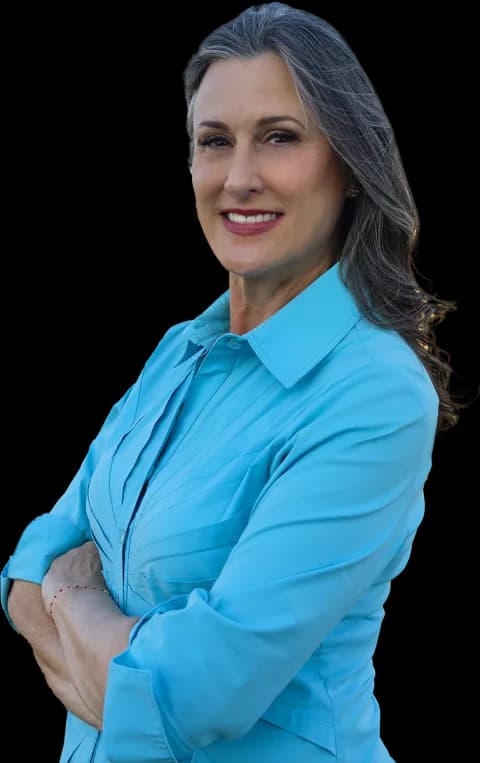
Monique DeSpain
Retired Air Force colonel and attorney.
Photo: Campaign photo · moniqueforcongress.com
In their words
Said: Monique is running for Congress because we deserve leaders with commonsense solutions.
Voters’ pamphlet
Candidate statement · Filed for the November 2026 pamphlet; posted by the Secretary of State September 9, 2026; extracted September 21, 2026
Verbatim opening of the candidate's own statement; publication by the state does not verify the claims. Skipped before it: unpunctuated headings, an endorsement list lead-in and the labels “REAL LEADERSHIP. NOT A CAREER POLITICIAN.” (no predicate). The first sentence is exactly 12 words, so it stands alone.
The verbatim opening of their voters’ pamphlet statement, the same rule for every candidate. We chose nothing.
What they say they would do
Our summary of their platform, in our words
Supports stronger border and criminal-law enforcement, expanded treatment capacity, faster housing development and active forest management.
Allow a one-time route to lawful status for long-settled, noncriminal undocumented residents who meet screening, tax and work requirements; distinguish this from automatic citizenship.
Expand treatment and recovery housing with measured outcomes.
Reduce construction barriers and support sustainable timber harvests.
Our reading
Our interpretation, not their words
Enforcement plus treatment
Regulatory relief
Her immigration plan pairs tighter enforcement with a one-time route to legal status, and her homelessness plan pairs camping enforcement with more treatment; both need money her tax and spending cuts would have to leave in place.
Said: Would end permitting costs, building regulations, local codes and land-use restrictions she says stifle construction, with the federal government lifting housing restrictions and encouraging workforce housing.
How
— Not in their sources
Measured by
— Not in their sources
Public safety and immigration
Enforcement plus treatment
What
Said: Would expand shelter, treatment and recovery housing with measured outcomes, enforce laws against public camping and drug use, fund border security with barriers, sensors and staffing, remove noncitizens who commit serious crimes, and offer long-settled noncriminal residents a one-time earned path to lawful status.
How
Said: Deflection and diversion programs before the justice system, outcome-measured funding for homelessness programs, an all-of-the-above border toolkit, national employment verification, and a registration-and-background-check route to lawful status for long-settled residents.
Measured by
Said: Judge every homelessness program by whether people recover, become self-sufficient and return to stable housing, and stop funding those that do not; no numeric target or date is given.
Taxes, spending and your bills
Lower taxes, cut fraud
What
Said: Would cut regulations, fix permitting systems and reduce what she calls punitive taxation, end tax-and-spend policies she says fuel inflation and the national debt, and root out fraud and failed programs.
How
— Not in their sources
Measured by
— Not in their sources
Transportation, energy and climate
Active forest management
What
Said: Would restore active forest management with thinning, salvage and prescribed fire, rescind the 2001 Roadless Rule, require rapid fire suppression, and pursue an all-of-the-above energy strategy without bans or forced transitions.
How
Said: Thinning, sustainable-yield and salvage harvests, prescribed and tribal burning, road and evacuation-route maintenance, rapid initial attack by federal, state, tribal and private crews, and public comment already filed for rescinding the Roadless Rule.
Measured by
Said: Ending what she calls the smoke season; no acreage or date is given.
The choices this office faces
Every candidate in this race is asked the same 8 questions. Monique DeSpain is on record on 3, with 5 still open. A question without an answer is a research gap, not a position.
No answer we could find
Keep H.R. 1’s Medicaid work rules, six-month renewals and SNAP cuts, or repeal them?
Nothing on this exact choice in the sources we reviewed.
Restore the enhanced Affordable Care Act premium tax credits that expired December 31, 2025?
Nothing on this exact choice in the sources we reviewed.
End the tariffs and take tariff power back from the president?
Nothing on this exact choice in the sources we reviewed.
Direct the president to end U.S. military involvement in the war with Iran?
Nothing on this exact choice in the sources we reviewed.
Should federal policy rein in data centers’ power, water and cost impacts, or keep fast-tracking them?
Nothing on this exact choice in the sources we reviewed.
On record
Fund the $70 billion expansion of ICE and Border Patrol through 2029 (the Secure America Act)?
Said: Would fund an all-of-the-above border toolkit of barriers, sensors and drones and remove noncitizens who commit serious crimes, with a one-time earned path for long-settled residents; she does not address the $70 billion ICE package.
On the topic; the exact choice is unsaid.
Pass the Fix Our Forests Act: faster thinning and logging on federal forests with shorter windows to sue?
Said: Says she supported the Fix Our Forests Act from the beginning and has filed public comment backing rescission of the 2001 Roadless Rule; wants thinning, salvage harvests and rapid fire suppression.
Expand the federal role in housing, from the new ROAD to Housing law to more vouchers and tax credits?
Said: Would have the federal government lift housing restrictions and encourage workforce housing, ending permitting costs and land-use rules she says stifle construction; she does not address vouchers or tax credits.
Oregon voters’ pamphlet candidate statement · PDF page 17Candidate statement · Filed for the November 2026 pamphlet; posted by the Secretary of State September 9, 2026; reviewed September 21, 2026Campaign position. Claimed results and numerical premises have not automatically been independently verified.
U.S. House · District 4 candidate · U.S. Congress · November 3, 2026
Val Hoyle
Incumbent U.S. representative; former state labor commissioner and legislator.
Photo: Campaign photo · valhoyle.com
In their words
Said: Val is working to expand Social Security and Medicare and protect them from devastating cuts by the Trump administration and Congressional Republicans.
Voters’ pamphlet
Candidate statement · Filed for the November 2026 pamphlet; posted by the Secretary of State September 9, 2026; extracted September 21, 2026
Verbatim opening of the candidate's own statement; publication by the state does not verify the claims. Skipped before it: a quotation attributed to Brett Deedon, the heading “Leadership That Gets Things Done”, the list lead-in “For 40 years as an elected and community leader, Val Hoyle has delivered:” with its bulleted items, and the heading “Protecting Social Security and Medicare”.
The verbatim opening of their voters’ pamphlet statement, the same rule for every candidate. We chose nothing.
What they say they would do
Our summary of their platform, in our words
Supports stronger labor rights, expanded healthcare access and federal assistance to reduce housing and childcare costs.
Restore enhanced ACA premium assistance and pursue universal healthcare.
Expand housing vouchers, down-payment assistance and a renter tax credit.
Support paid leave, universal preschool and easier union organizing.
Our reading
Our interpretation, not their words
Labor protections
Household cost relief
Vouchers, a renter tax credit and restored premium credits all cost recurring money; the reviewed pages list the supports and past wins, not how the continuing costs would be paid.
Said: Would invest in affordable and workforce housing, create a renter tax credit for high-cost areas, expand down-payment assistance for first-time buyers and public servants, and increase Housing Choice Vouchers.
How
Said: Cites the bipartisan 21st Century Road to Housing Act she helped pass as the vehicle for lowering costs, alongside new investment in affordable and workforce housing.
Measured by
— Not in their sources
Public safety and immigration
— Not foundNot found in the sources we reviewed. That is a research gap, not a position.
Taxes, spending and your bills
Restore premium credits
What
Said: Would restore the Affordable Care Act's enhanced premium tax credits and clean-energy tax credits, expand and protect Social Security and Medicare, take on drug and grocery price-fixing, and fight tariffs she calls illegal.
How
Said: Restore the enhanced premium tax credits Republicans let expire, legislation making it easier to go after grocery conglomerates, and refunds to small businesses for the costs of illegal tariffs.
Measured by
Said: Cites more than 21,000 people in Southwest Oregon facing higher costs after the credits expired as the group restoration would reach.
Transportation, energy and climate
Fund wildfire prevention
What
Said: Would push for billions in federal wildfire-risk investment, a constitutional amendment guaranteeing a right to a safe climate, new protections for Southwest Oregon rivers, and a transition off fossil fuels toward clean energy.
How
Said: Billions in new federal investment to reduce catastrophic wildfire risk, a constitutional amendment on a safe climate, federal protections for Southwest Oregon watersheds and restored clean-energy tax credits.
Measured by
— Not in their sources
The choices this office faces
Every candidate in this race is asked the same 8 questions. Val Hoyle is on record on 7, with 1 still open. A question without an answer is a research gap, not a position.
No answer we could find
Should federal policy rein in data centers’ power, water and cost impacts, or keep fast-tracking them?
Nothing on this exact choice in the sources we reviewed.
On record
Keep H.R. 1’s Medicaid work rules, six-month renewals and SNAP cuts, or repeal them?
Said: Voted no on final House passage of H.R. 1 on July 3, 2025 (218–214), a vote on the whole package, including the Medicaid work rules, six-month renewals and SNAP cuts.
Restore the enhanced Affordable Care Act premium tax credits that expired December 31, 2025?
Said: Voted yes on January 8, 2026 on H.R. 1834, a three-year restoration of the enhanced premium tax credits; it passed 230–196 and awaits the Senate.
End the tariffs and take tariff power back from the president?
Said: Voted yes on February 11, 2026 on H.J.Res. 72 to end the national emergency behind the Canada tariffs; it passed 219–211.
Fund the $70 billion expansion of ICE and Border Patrol through 2029 (the Secure America Act)?
Said: Voted no on June 9, 2026 on the Secure America Act’s $70 billion for ICE and Border Patrol through 2029; it passed 214–212.
Direct the president to end U.S. military involvement in the war with Iran?
Said: Voted yes on July 23, 2026 on H.Con.Res. 89 directing the president to remove U.S. forces from hostilities with Iran (214–208), as on June 3.
Pass the Fix Our Forests Act: faster thinning and logging on federal forests with shorter windows to sue?
Said: Voted yes on January 23, 2025 on the Fix Our Forests Act (H.R. 471), which passed 279–141.
Expand the federal role in housing, from the new ROAD to Housing law to more vouchers and tax credits?
Said: Voted yes on June 23, 2026 on final passage of the 21st Century ROAD to Housing Act (358–32), now Public Law 119-101.
Voted No on the final House motion accepting the Senate’s H.R. 1 amendment, July 3, 2025. It passed 218–214. This records a vote on the entire package, not a separate vote on each provision.
Oregon voters’ pamphlet candidate statement · PDF page 19Candidate statement · Filed for the November 2026 pamphlet; posted by the Secretary of State September 9, 2026; reviewed September 21, 2026Campaign position. Claimed results and numerical premises have not automatically been independently verified.