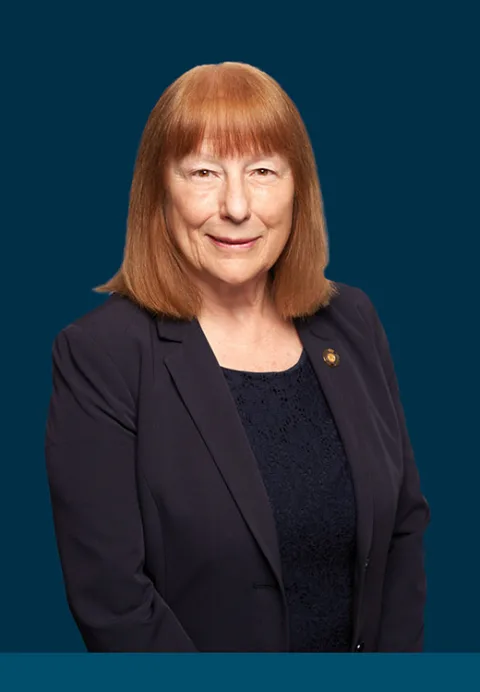

House · District 29 candidate · Oregon Legislature · November 3, 2026
Brian Schimmel
Forest Grove city councilor
City councilor; Independent Party nominee who also won the Republican nomination as a write-in, with a campaign site and a filed statement.
Photo: Portrait provided by the campaign
In their words
Said: Government should work as well as the people it serves. As a Councilor, I see firsthand where state policy impacts people’s lives—and where implementation, funding, and local realities do not align.
Voters’ pamphlet
Candidate statement · Filed for the November 2026 state voters’ pamphlet; extracted September 21, 2026
Oregon Secretary of State · filed candidate statement · PDF page 190 ↗First two sentences of the filed statement (the first is under 12 words); header fields, including a Community & Professional Experience line, are skipped.
The verbatim opening of their voters’ pamphlet statement, the same rule for every candidate. We chose nothing.
What they say they would do
Our summary of their platform, in our wordsHe runs on making state policy work in practice: write policy with the people who carry it out, find sustainable funding and set a measure for each goal. His September 28 answers apply that to housing, treatment, the kicker and data centers.
- Develop policy with the people expected to implement it.
- Identify sustainable funding before the state commits.
- Establish measurable outcomes for each goal.
Our reading
Our interpretation, not their wordsHe would keep the kicker refund and hold off on new transportation taxes until the need is shown and existing revenue is spent more effectively, while sustaining shelter and deflection programs and strengthening wildfire prevention; he looks to existing revenue before new revenue or cuts.
Where they stand
Housing and homelessness
Fewer building barriers- What
Would increase housing production and preservation and move people from homelessness into stable housing by reducing unnecessary development barriers, modernizing the funding formula for affordable housing projects, reusing existing properties, aligning state funding with local housing plans and coordinating housing with resident services.
- How
- Said: Reduce unnecessary development barriers, modernize the affordable-housing funding formula, reuse existing properties, align state funding with local housing plans and coordinate housing with resident services.
- Measured by
- Said: Homes delivered for low-income households, development time and cost, transitions into permanent housing and sustained housing stability; no target numbers are given.
Crime, drugs and who responds
Enforcement plus treatment- What
Would improve community safety through coordinated enforcement and stronger treatment, prevention and accountability for drug use, with legal frameworks, specialized resources and clear responsibilities for law enforcement, behavioral-health providers and community partners, including resources to protect residents from ICE apprehension.
- How
- Said: Establish legal frameworks, specialized resources and clear responsibilities for law enforcement, behavioral-health providers and community partners, with adequate funding and consistent operating standards.
- Measured by
- Said: Fewer ICE apprehensions and repeat offenses, treatment engagement and completion, response times and community safety outcomes; no target numbers are given.
Taxes, the kicker and the budget
Protect the kicker- What
Would reform Oregon’s revenue system to fund public services while easing the combined tax and utility burden on low- and moderate-income households: evaluate the Earned Income Tax Credit’s effectiveness, protect the kicker and require large energy users to pay their own infrastructure and service costs.
- How
- Said: Evaluate the Earned Income Tax Credit’s effectiveness, protect the kicker and strengthen requirements that large energy users pay their own infrastructure and service costs rather than shifting them to households.
- Measured by
- Said: Lower effective tax burdens for low- and moderate-income households, verified cost allocation to large energy users, refunds preserved and sustainable service funding with transparent performance measures.
Roads, energy and climate
Preservation first- What
Would maintain reliable transportation infrastructure and improve safety, access and connections between communities, prioritizing preservation, targeted safety improvements and transit investments backed by lifecycle-cost analysis, sustainable funding and a smaller climate impact.
- How
- Said: Prioritize preservation, targeted safety improvements and transit investments supported by lifecycle-cost analysis, sustainable funding and a smaller climate impact.
- Measured by
- Said: Pavement and bridge condition, crash reduction, transit access and ridership, and project delivery against budget and schedule.
The choices this office faces
Every candidate in this race is asked the same 8 questions. Brian Schimmel is on record on 8. A question without an answer is a research gap, not a position.
On recordVote for a 2027 transportation package that raises the gas tax and vehicle fees again?
Said: Would vote no if the taxes and fees fall disproportionately on low- and moderate-income households, which he says was the problem with the last package, and would first review existing revenue, maintenance needs and cost controls.
On the topic; the exact choice is unsaid.
Let the state keep part of a future kicker refund for wildfire or other one-time needs?
Said: Wants taxpayer refunds preserved and would examine reserves, dedicated revenues and other funding first, and would put any proposal to keep kicker money to voters as a constitutional amendment; he does not rule one out.
On the topic; the exact choice is unsaid.
Close the 2027–29 budget gap with new revenue, or with cuts alone?
Said: Would spend existing revenue more effectively and measure program performance, recover tax abatements from large corporations and make them pay vehicle fees, citing Amazon’s electric vans; he names no broader tax or specific cuts.
On the topic; the exact choice is unsaid.
Make data centers pay their own way: separate power rates, an end to tax breaks, or a pause on new ones?
Said: Would make data centers pay their own way with separate large-user utility rates, stronger land-use and public-benefit requirements, and a review of Enterprise Zone incentives before any new tax abatements.
Keep paying for state-funded shelter beds and the homelessness emergency after June 2027?
Said: Would sustain effective shelter and housing-stability services while increasing moves into permanent housing, aligning state funding with local operating capacity; he does not address the emergency declaration.
Keep the 2024 approach of recriminalized possession plus county deflection programs, and fund them in 2027–29?
Said: Would keep a response that pairs accountability for drug offenses with treatment and recovery: fund county implementation, set workable statewide standards and coordinate police, behavioral-health providers and treatment capacity.
Spend more state money on wildfire prevention and firefighting?
Said: Would strengthen wildfire prevention, community preparedness and firefighting capacity through sustainable funding, prioritizing fuel reduction, community protection, response readiness and coordinated state and local investment.
Keep adding state limits on federal immigration enforcement, on top of Oregon's sanctuary law?
Said: Would add limits by activating state-controlled specialized units with training, indemnification and deployment protocols, saying legislation with no enforcement mechanism does not limit federal immigration enforcement.
Their answers to our questions
Education (a topic he asked us to add): what and how
Said: WHAT: Improve student achievement, eliminate unfunded mandates and districts structural deficits, restore confidence in public education, and ensure education funding produces measurable results. HOW: Reform the education funding formula, establish clear academic targets, strengthen attendance and early-literacy interventions, provide districts with local flexibility, and require transparent financial oversight and accountability for implementation.
Education: how he would measure it
Said: No unfunded mandates, improved standards for graduation and opt in to testing, improved reading and math proficiency, reduced chronic absenteeism, higher graduation rates, reduced district deficits, and demonstrated progress against publicly reported academic and financial targets.
Data-center limits
Said: Ensure data centers pay their own way and provide meaningful public benefit without shifting infrastructure and utility costs to residents. […] Establish separate large-user utility rates, strengthen land-use and public-benefit requirements, and review Enterprise Zone incentives before authorizing new abatements. […] As demonstrated by the City of Forest Grove.
A question the evidence leaves open
Which programs would a performance review shrink, and how much would recovered corporate tax abatements and vehicle fees raise toward the 2027–29 gap?
Sources (8)
- Oregon Secretary of State · qualified 2026 general-election filingsElection authority · Checked September 18, 2026
- 2026 qualified filing · RepublicanElection authority · Checked September 18, 2026
- 2026 qualified filing · IndependentElection authority · Checked September 18, 2026
- Schimmel · emailed answers to the Lab’s questionsCandidate statement · Received September 28, 2026Campaign position. Claimed results and numerical premises have not automatically been independently verified. Sent on the record by the candidate, who wrote that the statements may be attributed to his campaign.
- Schimmel · Ballotpedia Candidate Connection surveyCandidate statement · 2026 survey; reviewed September 21, 2026Campaign position. Claimed results and numerical premises have not automatically been independently verified. The candidate's own written answers, hosted by the questionnaire's publisher.
- Schimmel · campaign siteCandidate statement · Website reviewed September 21, 2026Campaign position. Claimed results and numerical premises have not automatically been independently verified. The platform section lists six headings (education, housing, local economy, infrastructure, land stewardship, civil liberties and public safety) without policy text.
- Schimmel · aboutCandidate statement · Website reviewed September 21, 2026Campaign position. Claimed results and numerical premises have not automatically been independently verified.
- Oregon Secretary of State · filed candidate statement · PDF page 190Candidate statement · Filed for the November 2026 state voters’ pamphlet; PDF printed September 9, 2026; reviewed September 21, 2026Written by the candidate or campaign for the state voters’ pamphlet, which is not published until September 29, 2026.