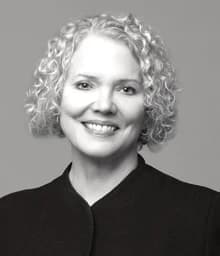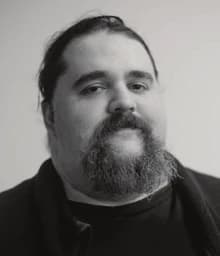
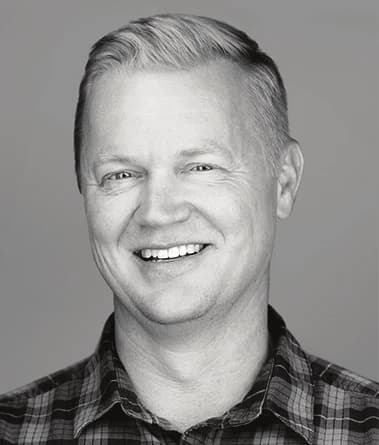
Skip to content

Print edition · Portland City Council · November 3, 2026

Portland Council · District 4

12 candidates · Ranked choice · three seats · Research reviewed September 18, 2026 · Lines edition 2026-09-19.1

Official list checked. Candidates appear alphabetically by displayed name and receive the same structure. We do not endorse, rank or score.

Our reading

Candidates differ on how far to fund recovery through public housing and new corporate contributions versus private development and restraint on taxes, on camp enforcement, and on public investment in Moda Center. Many propose some of each.

Draft; human review pending.

Said
A campaign statement, in our summary or their words.
Voted
A recorded Council roll call.
Not found
Not in the sources we reviewed. A research gap, not a position.
Yes No
The vote as the word, never as color alone.
Absent
Missed that roll call.
Not on committee
Had no vote in that committee.
NameRoleSummaryRent and homesCamps, crime and who respondsYour bills and taxesStreets, buses and air
Eli ArnoldBicycle police officer; military veteranPairs stronger frontline safety services with a no-new-taxes pledge and support for fareless transit.Proposes filling subsidized vacancies faster, incentives for small builders, deferring development charges until occupancy.Would add police-clinician behavioral-health units, more detective and traffic staffing, expand neighborhood response teams.Proposes raising the small-business exemption to $150,000, a tax holiday for new small businesses.Supports phased fareless transit and incremental safety improvements at the CEI Hub fuel-storage area.
Eric ZimmermanIncumbent councilor; National Guard officerCombines support for housing production, policing, Street Response and camp cleanups with opposition to several tax increases.Supports housing production and shelter.Would combine police, Street Response, camp cleanups, enforcement and treatment.Opposes several tax and fee increases; would put police, fire and maintenance first.not found in the sources we reviewed
Jamey EvenstarCity Council chief of staffArgues for progressive leadership grounded in housing stability and more accessible transportation.Would lay foundations for permanently affordable social (public or nonprofit) housing and housing stability.Supports expanded unarmed (non-police) crisis response and stronger state and county mental-health services.Supports earlier transparent budgets, participatory (resident-directed) budgeting, worker-owned businesses, investment across commercial corridors.Proposes lower-cost transit for people under 25, buses separated from traffic, more southwest transit.
Jayne CronlundSmall-business owner; former nonprofit executiveEmphasizes collaboration, living-wage jobs and shared public spaces.Hold housing nonprofits accountable; speed downtown office-to-housing conversions.Modest police increase tied to response times; closer checks on housing nonprofits.Supports living-wage jobs, a creative and sustainable economy, and regular reporting on government goals.Wants parks, trails, natural areas and business districts to come first.
Jeremy Beausoleil SmithPSU capital-projects and construction managerProposes social housing, stronger tenant protections and a city Green New Deal.Supports social (public or nonprofit) housing, a renters' bill of rights, treatment-linked housing.Supports expanded Portland Street Response.Would protect the Portland Clean Energy Fund.Proposes a four-year AI data-center ban, better walking and cycling, addressing CEI Hub risks.
John J GoldsmithSecurity officer; former Justice Department analystA current platform has not yet been substantiated in the sources reviewed for this guide.not found in the sources we reviewednot found in the sources we reviewednot found in the sources we reviewednot found in the sources we reviewed
John McDonaldTriMet hydro technician and journalistSupports major civic projects while calling for closer scrutiny of budgets and homelessness contracts.not found in the sources we reviewedWould limit new homelessness contracts and scrutinize existing providers.Supports modernizing Moda Center and retaining the Trail Blazers.Supports continuing the Interstate Bridge Replacement (new I-5 bridge).
Josh LeakeHousing-finance professional and business ownerConnects housing development and economic recovery with enforcement and behavioral-health services.Would combine public, private and federal resources to develop housing.Would combine crime and disorder responses with behavioral-health services and dignity for unhoused people.Supports creative and technology industries and activating public spaces.not found in the sources we reviewed
Matt SchulteMusician, filmmaker and business founderProposes using vacant downtown buildings as energy infrastructure and improving navigation of social services.More housing and office conversions; a fund backing the City’s home-sharing pilot.ReBoot navigators keep people connected to services through handoffs and sweeps.Cap growth in combined City household costs below income growth.Safe Routes around every District 4 school; a busier downtown for transit.
Mitch GreenIncumbent councilor; economist, Army veteranIdentifies as a democratic socialist and proposes permanent affordability, tenant power and climate investment.Supports permanently affordable social (public or nonprofit) housing, income-linked rents, tenant unions helping govern.Would protect and expand Street Response and defend unarmed responders from budget cuts.Wants public dollars in public assets and cooperative ownership; counts preschool as economic development.Would expand PCEF (clean-energy fund) for transit, not Moda or added policing.
Olivia ClarkIncumbent councilor; former TriMet public-affairs directorEmphasizes public safety, infrastructure maintenance, business recovery and removing barriers to housing.Would speed up permits, reduce development fees for affordable housing, and seek federal funding.Would remove street camping and public drug use while adding shelter, treatment, sobering capacity.Wants core services and business recovery to come first.Wants water, sewer and street systems that withstand heat, drought and extreme weather.
Timothy (TJ) AndersonStudent and disability advocateRuns on listening, lived experience of homelessness and disability, and practical public service.Wants more housing through a more investable city and reuse of city assets.Wants faster police response: more officers, with cadets and volunteers on lesser calls.Would audit city spending and assets first; no new taxes or fees until done.Wants climate steps that also help business, plus more transit and trains.

Summaries are our one-line readings of what each candidate says. Issue lines are short forms of the positions in each brief, AI-drafted and awaiting human review; “—” means not found in the sources we reviewed.

Only Eric Zimmerman, Mitch Green and Olivia Clark sit on Council today. The other 9 have no votes yet; that is not a judgment.

Eli Arnold

District 4 candidate · Portland City Council · November 3, 2026

Eli Arnold

Portland bicycle police officer and military veteran.

Photo: Candidate-submitted photo · 2026 Multnomah voters’ pamphlet

In their words

Said: I’ve dedicated my life to hard work and serving others: As a community police officer, Army combat veteran, progressive Democrat and father of four.

Pamphlet p. 65

Candidate statement · November 2026 edition; extracted September 20, 2026

Multnomah County voters’ pamphlet · PDF page 65 ↗

Verbatim opening of the candidate's own statement; publication by the county does not verify the claims.

The verbatim opening of their voters’ pamphlet statement, the same rule for every candidate. We chose nothing.

What they say they would do

Our summary of their platform, in our words

Pairs stronger frontline safety services with a no-new-taxes pledge and support for fareless transit.

  • Prioritize police, fire, dispatch and behavioral-health staffing.
  • Move people from tents into housing, shelter and services.
  • Use existing clean-energy resources toward fareless transit.

Our reading

Our interpretation, not their words
  • Frontline safety
  • Tax restraint

His program expands safety capacity while pledging no new taxes and promoting fareless transit. Those commitments compete for existing money; a complete funding plan and regional agreements would determine what can be delivered together.

Where they stand

Rent and homes

Fill subsidized vacancies
What
Said: Proposes faster filling of subsidized vacancies, stronger screening and pre-placement stabilization, incentives for small builders, and deferring development charges until occupancy or sale.
How
Said: Would set a 120-day maximum for residential permits, with fees reduced or refunded if missed, defer system development charges until occupancy or sale, and require subsidized vacancies filled within 60 days.
Measured by
Said: Vacant subsidized units (about 1,900 today, he says) filled within 60 days, residential permits decided within 120 days, and public vacancy reporting from every subsidized provider.

Camps, crime and who responds

Police-clinician teams
What
Said: Would add four police-clinician behavioral-health units, increase detective and traffic staffing, and expand neighborhood response teams, coordinated with Street Response.
How
Said: Would create four police behavioral-health units pairing crisis-trained officers with clinicians, hire incrementally, restore three-person fire staffing and modernize dispatch triage, phased from 2027 through 2032 and beyond.
Measured by
Said: A phased path toward about 1.5 officers per 1,000 residents (from 1.27), with faster response and shorter queue times reported publicly; cites a roughly $37M-a-year cost estimate by 2035.

Your bills and taxes

Small-business tax relief
What
Said: Proposes raising the small-business exemption to $150,000 and a three-to-five-year tax holiday for new small businesses.
How
Said: Would raise the small-business income exemption from $100,000 to $150,000, make it permanent and inflation-indexed, seek County alignment, and offer a three-to-five-year tax holiday to new small businesses.
Measured by
Not in their sources

Streets, buses and air

Phased fareless transit
What
Said: Supports phased fareless transit and incremental CEI Hub safety improvements, including easier decommissioning of unused petroleum tanks.
How
Said: Would fund fareless transit from a portion of Portland Clean Energy Fund revenue (he cites about $200M a year against $63.65M in TriMet fares), through a City–TriMet–PCEF task force in the first 100 days.
Measured by
Said: Tracks ridership growth, emissions and vehicle miles reduced, cost per added rider and rider satisfaction, with fares gone systemwide by year two; cites 20%-plus ridership gains elsewhere.

The choices this office faces

Every candidate in this race is asked the same 8 questions. Eli Arnold is on record on 4, with 4 still open. A question without an answer is a research gap, not a position.

No answer we could find
  • Keep funding camp removals at current levels?

    Nothing on this exact choice in the sources we reviewed.

  • Restrict new AI data centers in the city?

    Nothing on this exact choice in the sources we reviewed.

  • Keep the monthly street repair fee?

    Nothing on this exact choice in the sources we reviewed.

  • Raise water bills to pay for the Bull Run filtration plant and system repairs?

    Nothing on this exact choice in the sources we reviewed.

On record
  • Public money and terms for renovating the Moda Center?

    Said: Told the NW Examiner that securing the best possible deal with public funds is important but moving forward on the renovation is also crucial, to keep Moda’s economic activity, tourism and jobs.

  • Raise new revenue, or hold the line on taxes and fees?

    Said: Says he will not support raising taxes and fees; his transit plan is framed as using existing PCEF revenue without new taxes.

  • Hire more sworn officers, or invest first elsewhere?

    Said: Says there would be no immediate increase to police funding; once vacancies are filled he would seek more authorized positions if the budget can accommodate it, toward the roughly 1.5 officers per 1,000 residents on his site.

  • Expand Portland Street Response to a full 24/7 role?

    Said: Would expand Street Response scope in 2027–2028 and citywide by 2029–2031 so calls go to the right responder; 24/7 is not stated.

Compare every candidate

Their answers to our questions

How would expanded staffing and transit commitments fit within existing revenue?

Said: No immediate increase to police funding. When vacancies are filled I would seek to increase authorized staffing if the city budget can accommodate. For fareless transit I would seek to use PCEF as a stable funding source. Total TriMet fare revenues are about $60 million, but only a portion of that is Portland. I would be seeking to redirect a portion of future revenue.

Received 2026-09-20

Policing work: the downtown fentanyl partnership

Said: When street fentanyl sales became ubiquitous downtown I developed a program in which police partnered with organizations [to] identify high volume dealers. We established a relationship with Federal Prosecutors to hold high volume dealers accountable in 2023. This has resulted in dozens of successful prosecutions and a decline in the fentanyl trade downtown.

Received 2026-09-20

Policing work: the Provider Police Joint Connection Program

Said: During Measure 110 I was concerned about the lack of meaningful interventions for people with serious addictions who were using drugs on the street downtown. The Portland Police Bureau Bike Squad and MHAAO partnered to bring peer support workers immediately to the scene and attempt to place people into treatment. The Provider Police Joint Connection Program was a success and was ultimately funded by the City, County, and State.

Received 2026-09-20

Council votes

No Council vote yet. That is not a judgment about experience.

A question the evidence leaves open

How would expanded staffing and transit commitments fit within existing revenue?

Sources (6)

  1. Multnomah County voters’ pamphlet · PDF page 65Candidate statement · November 2026 edition; reviewed September 18, 2026Written by the candidate or campaign. Publication by the county does not verify the claims.
  2. Arnold · detailed issue platformCandidate statement · Website reviewed September 18, 2026Campaign position. Claimed results and numerical premises have not automatically been independently verified.
  3. Arnold · emailed response to the Lab’s questionsCandidate statement · Received September 20, 2026Written by the candidate in reply to the Lab’s questions and kept on file; excerpts appear on his brief. Receipt does not verify the claims.
  4. The Oregonian · Portland police and FBI target fentanyl dealersReporting · August 2026Cited by the candidate for the downtown fentanyl enforcement partnership he says he developed in 2023.
  5. KATU · Federal officials detail a three-year downtown fentanyl crackdownReporting · 2026Cited by the candidate for the same partnership; the report describes the crackdown, not his individual role.
  6. OPB · Police and drug-treatment providers’ pilot program will continueReporting · April 10, 2024Cited by the candidate for the Provider Police Joint Connection Program with the Bike Squad and MHAAO.
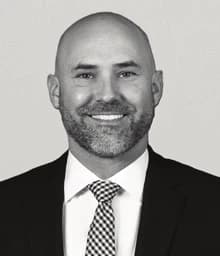
Eric Zimmerman

District 4 candidate · Portland City Council · November 3, 2026

Eric Zimmerman

Incumbent councilor; National Guard officer

Incumbent councilor, National Guard officer and former county commissioner’s chief of staff.

Photo: Candidate-submitted photo · 2026 Multnomah voters’ pamphlet

In their words

Said: It’s time to get Positive about Portland! Portland should be the City that says YES.

Pamphlet p. 64

Candidate statement · November 2026 edition; extracted September 20, 2026

Multnomah County voters’ pamphlet · PDF page 64 ↗

Verbatim opening of the candidate's own statement; publication by the county does not verify the claims.

The verbatim opening of their voters’ pamphlet statement, the same rule for every candidate. We chose nothing.

What they say they would do

Our summary of their platform, in our words

Combines support for housing production, policing, Street Response and camp cleanups with opposition to several tax increases.

  • Protect police and fire while supporting Street Response.
  • Build housing and restrain tax and fee increases.
  • Combine shelter, enforcement, cleanups and treatment; restore maintenance.

Our reading

Our interpretation, not their words
  • Services and enforcement
  • Tax restraint

He would maintain several forms of response while resisting tax and fee increases. The key choice is what to reduce or reallocate if existing revenue cannot sustain police, fire, shelter, unarmed response and maintenance together.

Where they stand

Rent and homes

Build housing and shelter
What
Said: Supports housing production and shelter.
How
Said: Would add a five-year SDC grant program, 10-year tax abatements for ownership units sold at 125% MFI, “permit upon review” for proven developers, and open more TASS and pod shelter sites.
Measured by
Said: Permanently affordable projects over 50 units permitted in 90 days or less; unsanctioned camping ended “as quickly as possible,” with no date.

Camps, crime and who responds

Police and Street Response
What
Said: Combines police, Street Response, camp cleanups, enforcement and treatment.
How
Said: Would expand patrol and detective units, trimming other support roles until fully staffed; let Street Response transport people to sobering and psychiatric care; add a 24/7 drop-off sobering center; seek SHS dollars for treatment.
Measured by
Said: A Police Bureau of 1,000 sworn officers and an end to unsanctioned camping; no dates are given.

Your bills and taxes

Against tax, fee increases
What
Said: Opposes several tax and fee increases while prioritizing police, fire and maintenance.
How
Not in their sources
Measured by
Not in their sources

Streets, buses and air

Not foundNot found in the sources we reviewed. That is a research gap, not a position.

The choices this office faces

Every candidate in this race is asked the same 8 questions. Eric Zimmerman is on record on 7, with 1 still open. A question without an answer is a research gap, not a position.

No answer we could find
  • Restrict new AI data centers in the city?

    Nothing on this exact choice in the sources we reviewed.

On record
  • Public money and terms for renovating the Moda Center?

    Eric Zimmerman: YesApprove the Moda negotiating framework

    No statement beyond the recorded vote.

  • Raise new revenue, or hold the line on taxes and fees?

    Said: Says he passed tax cuts and voted against increases, and is focused on lowering housing costs rather than raising taxes.

  • Hire more sworn officers, or invest first elsewhere?

    Said: Would expand the Police Bureau to 1,000 sworn officers, growing patrol and investigations and trimming other support roles until fully staffed.

  • Keep funding camp removals at current levels?

    Eric Zimmerman: AbsentBudget amendment

    Said: Calls ending unsanctioned camping a must, with an enforceable time-place-manner ordinance, camp cleanups and more TASS shelter sites.

  • Expand Portland Street Response to a full 24/7 role?

    Eric Zimmerman: YesExpand Portland Street Response’s role

    Said: Would let Street Response transport people to sobering centers and psychiatric emergency care; 24/7 coverage is not addressed.

  • Keep the monthly street repair fee?

    Eric Zimmerman: NoCreate a monthly transportation utility fee

    Said: Cites his vote against the new street fee as part of a record of opposing tax increases.

  • Raise water bills to pay for the Bull Run filtration plant and system repairs?

    Eric Zimmerman: NoRaise annual water rates

    No statement beyond the recorded vote.

Compare every candidate

Council votes

Recorded vote · then our reading of the record
  1. Raise water bills by about $5 a month?

    No

    Our reading: Supported construction borrowing; opposed higher utility charges

    What Council decided

    This increase would bring in more money for the water system. A typical monthly water charge would rise from about $66 to $71, before sewer and stormwater charges.

    The typical-bill estimate assumes five hundred cubic feet of monthly water use. Actual bills depend on use, billing period and applicable assistance; this is not the total combined utility bill.

    Read the votes and their reasons →

  2. Add a monthly fee to help repair streets?

    No

    Our reading: Opposed the new charges, but helped direct the spending

    What Council decided

    The fee is $12 for a typical house or $8.40 per apartment. Most of the money goes to street repairs; the rest goes to safety improvements.

    Approving a revenue source does not show that every promised repair has happened. The ordinance includes review of business charges and assistance for residents.

    Read the votes and their reasons →

  3. Use expected savings to help fund police and firefighters?

    Yes

    Our reading: Kept the proposed police increase; opposed the overall annual budget

    What Council decided

    The city expected the office that checks police conduct to have money left over. This proposal would use those expected savings for police and fire services. The savings were not guaranteed.

    The tradeoff concerned using money allocated to the new oversight office. The proposal did not abolish that office, and expected underspending was a forecast.

    Read the votes and their reasons →

  4. Back these starting terms for renovating Moda Center?

    Yes

    Our reading: Supported the arena terms while opposing the higher proposed rent

    What Council decided

    The city proposed $120 million for renovations and $275 million for future building needs over 20 years. This vote approved terms for negotiations, not a final contract.

    A negotiating framework, not a final construction contract. Support or opposition to this package is not a complete position on retaining the Trail Blazers.

    A , not a final contract.

    Read the votes and their reasons →

All 29 topics

A question the evidence leaves open

Which spending would you reduce if existing revenue cannot sustain those services?

Sources (2)

  1. Multnomah County voters’ pamphlet · PDF page 64Candidate statement · November 2026 edition; reviewed September 18, 2026Written by the candidate or campaign. Publication by the county does not verify the claims.
  2. Council Lab · current-term record and official-source linksReporting · Current-term research indexIndependent, unofficial research aid. Follow the linked City records for authoritative votes. Automated transcript excerpts require recording verification before quotation.
Jamey Evenstar

District 4 candidate · Portland City Council · November 3, 2026

Jamey Evenstar

City Council chief of staff, policy director and analyst; renter and transit rider.

Photo: Candidate-submitted photo · 2026 Multnomah voters’ pamphlet

In their words

Said: It’s time we had a City Council that believes in Portland. We need more working-class voices on Council to stand up to a fascist regime, have a backbone against special monied interests, and refuse to accept the status quo.

Pamphlet p. 64

Candidate statement · November 2026 edition; extracted September 20, 2026

Multnomah County voters’ pamphlet · PDF page 64 ↗

Verbatim opening of the candidate's own statement; publication by the county does not verify the claims.

The verbatim opening of their voters’ pamphlet statement, the same rule for every candidate. We chose nothing.

What they say they would do

Our summary of their platform, in our words

Argues for progressive leadership grounded in housing stability and more accessible transportation.

  • Build on work on tenant protections and housing access.
  • Make buses faster and easier to use.
  • Defend residents against federal overreach and concentrated financial influence.

Our reading

Our interpretation, not their words
  • Housing stability
  • Accessible transportation

Evenstar’s platform treats housing and transport costs as linked barriers to staying in Portland. Social housing and improved transit need financing, and city spending cannot alone determine regional fares or service levels.

Where they stand

Rent and homes

Permanent affordability
What
Said: Would establish a foundation for permanently affordable social housing and housing stability.
How
Said: Would seed a Portland Community Housing Fund with the existing $17.5M plus a new Housing Supply Impact Fee on non-primary residences, raise urban-renewal housing share from 45% to 75%, and use PCEF dollars.
Measured by
Not in their sources

Camps, crime and who responds

Unarmed crisis response
What
Said: Supports expanded unarmed crisis response and stronger state and county mental-health services.
How
Not in their sources
Measured by
Not in their sources

Your bills and taxes

Early transparent budgets
What
Said: Favors earlier transparent budgets, participatory budgeting, worker-owned businesses and investment across commercial corridors.
How
Said: Would give Council independent staff capacity for budget oversight, address top-heavy management and executive pay, and back the participatory-budgeting initiative for a share of general-fund spending.
Measured by
Not in their sources

Streets, buses and air

Cheaper youth transit
What
Said: Proposes lower-cost transit for people under 25, buses separated from traffic, more southwest transit options and climate resilience focused on vulnerable residents.
How
Not in their sources
Measured by
Not in their sources

The choices this office faces

Every candidate in this race is asked the same 8 questions. Jamey Evenstar is on record on 3, with 5 still open. A question without an answer is a research gap, not a position.

No answer we could find
  • Hire more sworn officers, or invest first elsewhere?

    Nothing on this exact choice in the sources we reviewed.

  • Keep funding camp removals at current levels?

    Nothing on this exact choice in the sources we reviewed.

  • Restrict new AI data centers in the city?

    Nothing on this exact choice in the sources we reviewed.

  • Keep the monthly street repair fee?

    Nothing on this exact choice in the sources we reviewed.

  • Raise water bills to pay for the Bull Run filtration plant and system repairs?

    Nothing on this exact choice in the sources we reviewed.

On record
  • Public money and terms for renovating the Moda Center?

    Said: Called the original Moda term sheet a terrible deal and the August 12 amendments a big improvement; other posts ask for Albina community benefits and escalating rent; she does not say whether public money should go in.

    On the topic; the exact choice is unsaid.

  • Raise new revenue, or hold the line on taxes and fees?

    Said: Proposes a Housing Supply Impact Fee on homes not used as a primary residence, with revenue building permanently affordable homes.

  • Expand Portland Street Response to a full 24/7 role?

    Said: Would expand unarmed crisis response for behavioral-health and quality-of-life calls and, in a July post, backed approving a lease for Portland Street Response; she does not say whether it should run 24/7 citywide.

    On the topic; the exact choice is unsaid.

Compare every candidate

Council votes

No Council vote yet. That is not a judgment about experience.

A question the evidence leaves open

Which tenant protections and bus improvements would you introduce first?

Sources (2)

  1. Multnomah County voters’ pamphlet · PDF page 64Candidate statement · November 2026 edition; reviewed September 18, 2026Written by the candidate or campaign. Publication by the county does not verify the claims.
  2. Evenstar · six-part platformCandidate statement · Website reviewed September 18, 2026Campaign position. Claimed results and numerical premises have not automatically been independently verified.
Jayne Cronlund

District 4 candidate · Portland City Council · November 3, 2026

Jayne Cronlund

Small-business owner and former conservation nonprofit executive.

Photo: Candidate-submitted photo · 2026 Multnomah voters’ pamphlet

In their words

Said: I am a listener and an experienced coach that helps people find solutions to their toughest challenges.

Pamphlet p. 63

Candidate statement · November 2026 edition; extracted September 20, 2026

Multnomah County voters’ pamphlet · PDF page 63 ↗

Verbatim opening of the candidate's own statement; publication by the county does not verify the claims.

The verbatim opening of their voters’ pamphlet statement, the same rule for every candidate. We chose nothing.

What they say they would do

Our summary of their platform, in our words

Emphasizes collaboration, living-wage jobs and shared public spaces.

  • Support jobs in Portland’s creative and sustainable economy.
  • Invest in parks, trails, natural areas and business districts.
  • Set shared government goals and regularly report results.

Our reading

Our interpretation, not their words
  • Shared public spaces
  • Collaborative development

Her program emphasizes places and partnerships that support community life and jobs. The reviewed statement leaves the harder funding and housing choices open; collaboration alone does not resolve competing budget claims.

Where they stand

Rent and homes

Offices into housing
What
Said: Would have the Housing Bureau hold its nonprofit partners accountable (lawful spending within budget, existing housing full, residents cared for, neighbors safe) and the permitting bureau streamline conversions of vacant downtown offices to housing for willing owners, citing 37% office vacancy.
How
Said: Direct the permitting bureau to streamline conversions of vacant downtown offices to housing for willing owners, and have the Housing Bureau check nonprofit partners’ spending, occupancy and resident care.
Measured by
Not in their sources

Camps, crime and who responds

Modest police increase
What
Said: Supports a modest increase in police if it is tied to shorter response times, and wants homelessness addressed through the Housing Bureau and the permitting bureau, with stronger oversight of nonprofit housing providers.
How
Not in their sources
Measured by
Not in their sources

Your bills and taxes

Living-wage jobs
What
Said: Supports living-wage jobs, the creative and sustainable economy, and regular reporting on shared government goals.
How
Not in their sources
Measured by
Not in their sources

Streets, buses and air

Parks and natural areas
What
Said: Prioritizes parks, trails, natural areas and business districts.
How
Not in their sources
Measured by
Said: A 35% cut in the $800 million parks maintenance backlog without new taxes or reduced access, with progress reported to voters.

The choices this office faces

Every candidate in this race is asked the same 8 questions. Jayne Cronlund is on record on 2, with 6 still open. A question without an answer is a research gap, not a position.

No answer we could find
  • Raise new revenue, or hold the line on taxes and fees?

    Nothing on this exact choice in the sources we reviewed.

  • Keep funding camp removals at current levels?

    Nothing on this exact choice in the sources we reviewed.

  • Restrict new AI data centers in the city?

    Nothing on this exact choice in the sources we reviewed.

  • Expand Portland Street Response to a full 24/7 role?

    Nothing on this exact choice in the sources we reviewed.

  • Keep the monthly street repair fee?

    Nothing on this exact choice in the sources we reviewed.

  • Raise water bills to pay for the Bull Run filtration plant and system repairs?

    Nothing on this exact choice in the sources we reviewed.

On record
  • Public money and terms for renovating the Moda Center?

    Said: Lists Moda Center renovations among spending she would prioritize, for short-term prevailing-wage construction jobs and as a centerpiece for the Albina Vision Trust’s restorative development.

  • Hire more sworn officers, or invest first elsewhere?

    Said: Supports a modest increase in police if it is tied to decreasing response times.

Compare every candidate

Their answers to our questions

What spending would you prioritize or reduce to sustain public-space investment?

Said: Sustain investment in our public parks and reduce the backlog of maintenance without reducing access. I propose a careful approach to achieving 35% reduction in the $800 million backlog without new taxes. I will advocate for clear reporting back to the voters on progress toward this goal. I support a modest increase in police if tied to decreasing response time. Moda Center renovations to secure short term, prevailing wage construction jobs and provide a centerpiece from which restorative development proposed in the Albina Vision Trust may succeed. [...] I will allocate funds from my office budget to support a City Hall led planning process.

Received 2026-09-23

Housing affordability and production; public safety and homelessness

Said: I will advocate for Portland Housing Bureau to exercise greater oversight and accountability for its nonprofit partners, including 1) ensuring that nonprofit expenses are legal and within budget, 2) existing housing is full to capacity, 3) residents are cared for and 4) neighbors feel safe around these affordable housing properties. I would direct Bureau of Development Services to explore how we could streamline downtown office vacancy to housing for willing property owners. Office vacancy downtown is at 37%.

Received 2026-09-23

Accomplishments

Said: While I was executive director of Three Rivers Land Conservancy, I championed and created the organizational foundation of the Backyard Habitat Certification program. The pilot program lasted for 4 years under Three Rivers before it was transferred to Audubon and Columbia Land Trust. [...] While working at Greenline Fine Woodworking with my husband on our small family business, I acted as business manager from 2010 through the end of 2023. [...] One of our significant accomplishments was restoring a private residence called Firehouse 17. This property and Greenline received a Restore Oregon DeMuro award in 2019.

Received 2026-09-23

Council votes

No Council vote yet. That is not a judgment about experience.

A question the evidence leaves open

How would the parks maintenance backlog shrink 35% without new taxes, and over what period?

Sources (2)

  1. Multnomah County voters’ pamphlet · PDF page 63Candidate statement · November 2026 edition; reviewed September 18, 2026Written by the candidate or campaign. Publication by the county does not verify the claims.
  2. Cronlund · emailed response to the Lab’s questionsCandidate statement · Received September 23, 2026Written by the candidate in reply to the Lab’s questions and kept on file; excerpts appear on the brief. Receipt does not verify the claims.
Jeremy Beausoleil Smith

District 4 candidate · Portland City Council · November 3, 2026

Jeremy Beausoleil Smith

PSU capital-projects and construction manager.

Photo: Candidate-submitted photo · 2026 Multnomah voters’ pamphlet

In their words

Said: Portland is way too expensive. I’ll fight to lower costs and make life easier.

Pamphlet p. 61

Candidate statement · November 2026 edition; extracted September 20, 2026

Multnomah County voters’ pamphlet · PDF page 61 ↗

Verbatim opening of the candidate's own statement; publication by the county does not verify the claims. The heading “PORTLAND’S BEST DAYS ARE AHEAD OF US” is skipped.

The verbatim opening of their voters’ pamphlet statement, the same rule for every candidate. We chose nothing.

What they say they would do

Our summary of their platform, in our words

Proposes social housing, stronger tenant protections and a city Green New Deal.

  • A renters’ bill of rights and more housing linked to treatment.
  • Protect PCEF, improve walking and cycling, and address CEI Hub risks.
  • A four-year AI data-center ban and expanded Street Response.

Our reading

Our interpretation, not their words
  • Public construction
  • Climate and tenant protection

He combines social housing with climate infrastructure and regulation. Construction funding is only one requirement: maintenance, staffing and legal implementation are continuing obligations.

Where they stand

Rent and homes

Build public housing
What
Said: Supports social housing, a renters’ bill of rights and housing linked to treatment.
How
Said: Renters’ protections would be rule changes: no rent increases while code violations exist, six months’ notice, eviction limits during the school year and extreme weather, right to counsel; social-housing funding is not named.
Measured by
Not in their sources

Camps, crime and who responds

Expand Street Response
What
Said: Supports expanded Portland Street Response.
How
Said: Would expand Portland Street Response to 24/7 citywide coverage by adding staff and transport capacity; no funding source is named.
Measured by
Not in their sources

Your bills and taxes

Protect clean-energy fund
What
Said: Would protect the Portland Clean Energy Fund.
How
Not in their sources
Measured by
Not in their sources

Streets, buses and air

Four-year data-center ban
What
Said: Proposes a four-year AI data-center ban, walking and cycling improvements, and action on CEI Hub risks.
How
Said: Would stop further CEI Hub expansion and develop a full tank draw-down plan; the data-center moratorium would be a four-year rule; no funding source is named for walking and cycling.
Measured by
Said: Points to Portland’s net-zero carbon commitment by 2050 as the target every major transportation, energy and building decision would be measured against.

The choices this office faces

Every candidate in this race is asked the same 8 questions. Jeremy Beausoleil Smith is on record on 5, with 3 still open. A question without an answer is a research gap, not a position.

No answer we could find
  • Public money and terms for renovating the Moda Center?

    Nothing on this exact choice in the sources we reviewed.

  • Keep funding camp removals at current levels?

    Nothing on this exact choice in the sources we reviewed.

  • Keep the monthly street repair fee?

    Nothing on this exact choice in the sources we reviewed.

On record
  • Raise new revenue, or hold the line on taxes and fees?

    Said: Answers “Yes” to “Should we Tax the Rich in Portland?” in a campaign post; his platform expects large corporations to contribute their fair share, with no specific tax named.

  • Hire more sworn officers, or invest first elsewhere?

    Said: Calls for a City Auditor review of police response times, staffing and overtime; says the answer cannot be more money for PPB without understanding the problem.

  • Restrict new AI data centers in the city?

    Said: Supports a four-year moratorium on new data-center development, citing electricity rates, water use, pollution and grid reliability.

  • Expand Portland Street Response to a full 24/7 role?

    Said: Supports expanding Portland Street Response to 24/7 citywide coverage with more staff and transport capacity.

  • Raise water bills to pay for the Bull Run filtration plant and system repairs?

    Said: Says the $3 billion Bull Run filtration project will double water bills over a decade; asks Council for affordability, accountability and pursuit of alternatives to the plant.

Compare every candidate

Council votes

No Council vote yet. That is not a judgment about experience.

A question the evidence leaves open

How would you fund and maintain the proposed housing and infrastructure?

Sources (1)

  1. Multnomah County voters’ pamphlet · PDF page 61Candidate statement · November 2026 edition; reviewed September 18, 2026Written by the candidate or campaign. Publication by the county does not verify the claims.
JJPortrait to come

District 4 candidate · Portland City Council · November 3, 2026

John J Goldsmith

Security officer; former Justice Department analyst

His amended 2026 filing lists work as a unionized security officer, earlier Justice Department analysis work, and volunteer gardening and LGBT memorial advocacy.

In their words

Said: I am a licensed (DPSST) Central City unionized Security Officer for an International private security firm.

City filing

Candidate statement · Filed August 24, 2026; extracted September 20, 2026

Amended 2026 candidate filing · occupation field on PDF page 4 ↗

Verbatim opening of the candidate's amended City filing. The form has no statement field; this is the first sentence he wrote in its occupation field. No pamphlet statement; the campaign site listed in the filing (johngoldsmith4pdx.net) refused connections on September 20, 2026.

No pamphlet statement was published; this is the verbatim opening of their City filing statement.

What they say they would do

Our summary of their platform, in our words

A current platform has not yet been substantiated in the sources reviewed for this guide.

No 2026 pamphlet statement found in the reviewed Multnomah pamphlet. Further campaign and interview research is needed. This is a research gap, not evidence that the candidate has no positions.

Our reading

Our interpretation, not their words

His 2026 filing establishes occupational and civic background. It does not provide enough reviewed policy evidence to characterize his governing priorities; those positions remain unknown in this edition.

Where they stand

Rent and homes

Not foundNot found in the sources we reviewed. That is a research gap, not a position.

Camps, crime and who responds

Not foundNot found in the sources we reviewed. That is a research gap, not a position.

Your bills and taxes

Not foundNot found in the sources we reviewed. That is a research gap, not a position.

Streets, buses and air

Not foundNot found in the sources we reviewed. That is a research gap, not a position.

The choices this office faces

Every candidate in this race is asked the same 8 questions. John J Goldsmith is on record on 0, with 8 still open. A question without an answer is a research gap, not a position.

No answer we could find
  • Public money and terms for renovating the Moda Center?

    Nothing on this exact choice in the sources we reviewed.

  • Raise new revenue, or hold the line on taxes and fees?

    Nothing on this exact choice in the sources we reviewed.

  • Hire more sworn officers, or invest first elsewhere?

    Nothing on this exact choice in the sources we reviewed.

  • Keep funding camp removals at current levels?

    Nothing on this exact choice in the sources we reviewed.

  • Restrict new AI data centers in the city?

    Nothing on this exact choice in the sources we reviewed.

  • Expand Portland Street Response to a full 24/7 role?

    Nothing on this exact choice in the sources we reviewed.

  • Keep the monthly street repair fee?

    Nothing on this exact choice in the sources we reviewed.

  • Raise water bills to pay for the Bull Run filtration plant and system repairs?

    Nothing on this exact choice in the sources we reviewed.

Compare every candidate

Council votes

No Council vote yet. That is not a judgment about experience.

A question the evidence leaves open

What are your three specific priorities, how would you fund them, and what results would you report?

Sources (2)

  1. Portland certified candidate registerElection authority · Checked September 18, 2026
  2. Amended 2026 candidate filing · background on PDF pages 4–5Candidate statement · August 24, 2026
John McDonald

District 4 candidate · Portland City Council · November 3, 2026

John McDonald

TriMet hydro technician and journalist.

Photo: Candidate-submitted photo · 2026 Multnomah voters’ pamphlet

In their words

Said: My ask is simple: your vote. Your vote if you believe Portland can once again be a city that works — a city with clean, safe streets, thriving neighborhoods, reliable transportation, affordable housing and an economy that creates opportunity.

Pamphlet p. 63

Candidate statement · November 2026 edition; extracted September 20, 2026

Multnomah County voters’ pamphlet · PDF page 63 ↗

Verbatim opening of the candidate's own statement; publication by the county does not verify the claims. The heading “Portland Is Ready for a Comeback” is skipped.

The verbatim opening of their voters’ pamphlet statement, the same rule for every candidate. We chose nothing.

What they say they would do

Our summary of their platform, in our words

Supports major civic projects while calling for closer scrutiny of budgets and homelessness contracts.

  • Modernize Moda Center and retain the Trail Blazers.
  • Keep the Interstate Bridge Replacement moving.
  • Limit new homelessness contracts and scrutinize existing providers.

Our reading

Our interpretation, not their words
  • Major civic investment
  • Contract scrutiny

He supports large capital commitments while seeking tighter oversight of homelessness spending. Comparing those priorities requires the total public exposure and recurring costs of both, not just the appeal of the projects.

Where they stand

Rent and homes

Not foundNot found in the sources we reviewed. That is a research gap, not a position.

Camps, crime and who responds

Cap homelessness contracts
What
Said: Would limit new homelessness contracts and scrutinize existing providers.
How
Not in their sources
Measured by
Not in their sources

Your bills and taxes

Modernize Moda Center
What
Said: Supports modernizing Moda Center and retaining the Trail Blazers.
How
Said: The City’s current proposal: $120 million up front and $275 million in ongoing maintenance over a 20-year lease, with other revenue expected to follow the teams’ success.
Measured by
Not in their sources

Streets, buses and air

Continue new I-5 bridge
What
Said: Supports continuing the Interstate Bridge Replacement.
How
Not in their sources
Measured by
Not in their sources

The choices this office faces

Every candidate in this race is asked the same 8 questions. John McDonald is on record on 2, with 6 still open. A question without an answer is a research gap, not a position.

No answer we could find
  • Raise new revenue, or hold the line on taxes and fees?

    Nothing on this exact choice in the sources we reviewed.

  • Hire more sworn officers, or invest first elsewhere?

    Nothing on this exact choice in the sources we reviewed.

  • Keep funding camp removals at current levels?

    Nothing on this exact choice in the sources we reviewed.

  • Restrict new AI data centers in the city?

    Nothing on this exact choice in the sources we reviewed.

  • Keep the monthly street repair fee?

    Nothing on this exact choice in the sources we reviewed.

  • Raise water bills to pay for the Bull Run filtration plant and system repairs?

    Nothing on this exact choice in the sources we reviewed.

On record
  • Public money and terms for renovating the Moda Center?

    Said: Fully supports the City’s current proposal of $120 million up front and $275 million in ongoing maintenance over a 20-year lease, and expects other revenue to come with the teams’ success.

  • Expand Portland Street Response to a full 24/7 role?

    Said: Supports a 24/7 Street Response (he puts it at 68 full-time staff and $10.5 million a year) paid mainly from the General Fund, with VA, TriMet and Central City Concern partners and opioid-settlement money in lean years.

Compare every candidate

Their answers to our questions

Moda Center deal

Said: I fully support the city’s current proposal of $120 million up front with $275 million in ongoing maintenance over a 20-year lease. I’m confident that other revenue streams will become available with the success of our teams.

Received 2026-09-23

Street Response

Said: I support making PSR a 24/7 operation (68 FTEs / $10.5 million annually) primarily funded through the general fund while also pursuing partnerships with the VA, TriMet and Central City Concern. Additionally, we must collaborate with healthcare agencies at an executive level to understand upcoming changes to Medicaid under H.R. 1. Shifting funds from the city’s share of the Oregon Opioid Settlement could fill gaps in years when general funds are needed elsewhere.

Received 2026-09-24

Journalism

Said: Here’s some of my most recent journalism: “Commuter rail’s price of protection” (Trains) and “In Vancouver, Pride Became An Answer To Fear” (OutSFL, August 26, 2026).

Received 2026-09-24

Council votes

No Council vote yet. That is not a judgment about experience.

A question the evidence leaves open

What maximum public exposure would you accept in the arena and bridge projects?

Sources (1)

  1. Multnomah County voters’ pamphlet · PDF page 63Candidate statement · November 2026 edition; reviewed September 18, 2026Written by the candidate or campaign. Publication by the county does not verify the claims.
Josh Leake

District 4 candidate · Portland City Council · November 3, 2026

Josh Leake

Housing-finance professional, business owner and Portland Film Festival founder.

Photo: Candidate-submitted photo · 2026 Multnomah voters’ pamphlet

In their words

Said: I’m Josh. Portland native, housing-finance expert, film producer, and former Portland Police Bureau Explorer Scout.

Pamphlet p. 66

Candidate statement · November 2026 edition; extracted September 20, 2026

Multnomah County voters’ pamphlet · PDF page 66 ↗

Verbatim opening of the candidate's own statement; publication by the county does not verify the claims. The ranking instructions and contact lines that open the statement are skipped.

The verbatim opening of their voters’ pamphlet statement, the same rule for every candidate. We chose nothing.

What they say they would do

Our summary of their platform, in our words

Connects housing development and economic recovery with enforcement and behavioral-health services.

  • Combine public, private and federal resources to build housing.
  • Address crime and disorder while treating unhoused people with dignity.
  • Support the creative and technology economies and activate public spaces.

Our reading

Our interpretation, not their words
  • Housing production
  • Economic recovery

He emphasizes financing and development as a route to affordability and recovery. The test is which projects have sites, committed money and attainable rents, rather than whether a housing total is ambitious.

Where they stand

Rent and homes

Public and private funding
What
Said: Would combine public, private and federal resources to develop housing.
How
Not in their sources
Measured by
Said: Says the result would be “thousands” of accessible homes on underused land; no count, timeline or site is given.

Camps, crime and who responds

Enforcement plus services
What
Said: Combines responses to crime and disorder with behavioral-health services and dignity for unhoused people.
How
Not in their sources
Measured by
Not in their sources

Your bills and taxes

Creative, tech industries
What
Said: Supports creative and technology industries and activating public spaces.
How
Not in their sources
Measured by
Not in their sources

Streets, buses and air

Not foundNot found in the sources we reviewed. That is a research gap, not a position.

The choices this office faces

Every candidate in this race is asked the same 8 questions. Josh Leake is on record on 1, with 7 still open. A question without an answer is a research gap, not a position.

No answer we could find
  • Public money and terms for renovating the Moda Center?

    Nothing on this exact choice in the sources we reviewed.

  • Raise new revenue, or hold the line on taxes and fees?

    Nothing on this exact choice in the sources we reviewed.

  • Hire more sworn officers, or invest first elsewhere?

    Nothing on this exact choice in the sources we reviewed.

  • Keep funding camp removals at current levels?

    Nothing on this exact choice in the sources we reviewed.

  • Restrict new AI data centers in the city?

    Nothing on this exact choice in the sources we reviewed.

  • Keep the monthly street repair fee?

    Nothing on this exact choice in the sources we reviewed.

  • Raise water bills to pay for the Bull Run filtration plant and system repairs?

    Nothing on this exact choice in the sources we reviewed.

On record
  • Expand Portland Street Response to a full 24/7 role?

    Said: Told the Mercury’s candidate questionnaire that expanding Portland Street Response to 24/7 service is one of his priorities; staffing or funding details are not given.

Compare every candidate

Council votes

No Council vote yet. That is not a judgment about experience.

A question the evidence leaves open

Which sites and financing commitments would produce homes in the first term?

Sources (1)

  1. Multnomah County voters’ pamphlet · PDF page 66Candidate statement · November 2026 edition; reviewed September 18, 2026Written by the candidate or campaign. Publication by the county does not verify the claims.
Matt Schulte

District 4 candidate · Portland City Council · November 3, 2026

Matt Schulte

Musician, filmmaker and business founder.

Photo: Candidate-submitted photo · 2026 Multnomah voters’ pamphlet

In their words

Said: Portland has long been all process and no vision, all consensus and no conviction, and our downtown has paid the price for that.

Pamphlet p. 61

Candidate statement · November 2026 edition; extracted September 20, 2026

Multnomah County voters’ pamphlet · PDF page 61 ↗

Verbatim opening of the candidate's own statement; publication by the county does not verify the claims.

The verbatim opening of their voters’ pamphlet statement, the same rule for every candidate. We chose nothing.

What they say they would do

Our summary of their platform, in our words

Proposes using vacant downtown buildings as energy infrastructure and improving navigation of social services.

  • Develop the Grid-Connected Core with downtown building owners.
  • Connect volunteers and professionals through a ReBoot service-navigation program.
  • Use existing buildings and electrical capacity to attract activity.

Our reading

Our interpretation, not their words
  • Reuse of downtown assets
  • Project-led recovery

His energy proposal uses existing downtown buildings as an economic resource, and his September 24, 2026 reply adds a household-cost cap (the Portland Affordability Rule), a service-navigation program and a Safe Routes deadline. Utility participation, engineering feasibility and private ownership arrangements still determine whether the downtown idea can become a deliverable city program.

Where they stand

Rent and homes

Conversions, home sharing
What
Said: Would build more housing and convert suitable commercial buildings, relying on a busier downtown (his Grid-Connected Core) to make conversions pay, and would make the City’s Home Sharing Pilot work with a Home-Share Mitigation Fund protecting participating homeowners.
How
Said: A busier downtown under the Grid-Connected Core to make office conversions pay, and a Home-Share Mitigation Fund from the pilot’s existing $500,000 budget protecting homeowners against damage or sudden vacancy.
Measured by
Said: More housing downtown, more homeowners and renters in home sharing, housing costs relative to incomes, and whether people can afford to stay in Portland.

Camps, crime and who responds

Help navigating services
What
Said: Proposes ReBoot, paid navigators, trained volunteers, a Navigation Center and an immediate-action fund working across contracted providers and City and County services so people keep contact with help through handoffs and sweeps.
How
Said: ReBoot navigators working across contracted nonprofits and City and County services, with a Navigation Center and an immediate-action fund for medication, identification and transportation when a handoff fails.
Measured by
Said: Whether people stay in contact, keep appointments, get medication, ID and transportation when needed, move from shelter into housing, and keep their progress through handoffs or City-directed displacement.

Your bills and taxes

Cap household costs
What
Said: Says Council’s first job is to stop making Portland more expensive; his Portland Affordability Rule would keep growth in combined City-controlled household costs below the three-year average growth in median household income.
How
Said: Put the combined effect of proposed City household costs before Council at once; if it outpaces income growth, reduce, delay or offset discretionary increases, and auto-enroll eligible households in utility discounts.
Measured by
Said: Growth in combined City-controlled household costs against the three-year average growth in Portland median household income.

Streets, buses and air

Safe Routes to schools
What
Said: Would complete the Safe Routes priority network around every District 4 elementary school within one Council term, and rebuild downtown as a place people work, live and go out so transit has riders.
How
Said: Fund the Safe Routes projects already identified around District 4 elementary schools, and rebuild downtown as a place people work, live, shop and go out.
Measured by
Said: The Safe Routes network finished around every District 4 elementary school, repaired streets, fewer serious crashes near schools, downtown visits and transit ridership into downtown.

The choices this office faces

Every candidate in this race is asked the same 8 questions. Matt Schulte is on record on 8. A question without an answer is a research gap, not a position.

On record
  • Public money and terms for renovating the Moda Center?

    Said: Generally supports the term sheet and public funding as a starting position but not the City’s negotiating approach; would press for concessions like the $800 million private investment he says Dundon pledged in Raleigh and appeal to the NBA.

  • Raise new revenue, or hold the line on taxes and fees?

    Said: Says Portland’s tax burden is too high and he would not begin with new City business taxes or fees; his Affordability Rule would hold combined taxes, fees and rates below household income growth.

  • Hire more sworn officers, or invest first elsewhere?

    Said: Would fill the police positions already funded and, before expanding, move welfare checks, unattended deaths and repeat false alarms away from armed officers, shifting those hours to emergencies and investigations.

  • Keep funding camp removals at current levels?

    Said: Not as currently structured: removal may be needed for an immediate safety or access problem, but people need somewhere real to go, and his ReBoot program would keep them connected to services.

  • Restrict new AI data centers in the city?

    Said: Supports a ban on data centers until a Load-Value Standard measures public return per megawatt in jobs, tax revenue, infrastructure cost and environmental effects.

  • Expand Portland Street Response to a full 24/7 role?

    Said: Would require a plan and budget within 60 days for a citywide 24/7 Street Response and finish the expansion within a year, alongside the 911 call-allocation recommendations.

  • Keep the monthly street repair fee?

    Said: Would keep the monthly street repair fee because the streets need fixing, and include completing the Safe Routes network around every District 4 elementary school.

  • Raise water bills to pay for the Bull Run filtration plant and system repairs?

    Said: Would fold already-committed Bull Run costs into his Affordability Rule baseline but not accept doubled bills; future discretionary increases would count against the cap, with grants, cost scrutiny and automatic discounts.

Compare every candidate

Their answers to our questions

Rent and homes

Said: Portland has to address both what it costs to live here and the potential for being able to earn here. Housing production is part of that, but the number of units is not the entire question. [...] The Home-Share Mitigation Fund would use part of the Home Sharing Pilot Program’s existing $500,000 budget to protect participating homeowners against property damage or sudden vacancy.

Received 2026-09-24

Camps, crime and who responds

Said: ReBoot would provide continuing human connection through paid navigators, professional support, trained volunteers, a Navigation Center and an immediate-action fund. [...] If someone in a shelter bed needs medication but cannot get to the pharmacy, misses an appointment because a phone was lost, or loses contact during a handoff, ReBoot would act before that small failure becomes another disconnect.

Received 2026-09-24

Your bills and taxes

Said: City Council’s first responsibility is to stop making Portland more expensive. [...] Put the combined effect of proposed City-controlled household costs in front of Council at the same time instead of approving increases separately. If the combined cost is growing faster than Portland household incomes, Council has to reduce, delay or offset discretionary increases.

Received 2026-09-24

Streets, buses and air

Said: Complete the Safe Routes priority network around every District 4 elementary school within one Council term. [...] TriMet’s missing riders and downtown’s missing workers are basically the same missing trips.

Received 2026-09-24

Moda Center deal

Said: Schulte would have been very hardline on requiring the Blazers to contribute. But the train has left the station on Portland’s approach. Now that we have committed, Schulte generally supports the term sheet and public funding as initial negotiating strategy, but not the City’s approach to negotiations. Portland should demand other concessions, such as what Dundon offered and agreed to in Raleigh. [...] Schulte would take Portland’s case directly and immediately to Commissioner Adam Silver and the NBA Board of Governors.

Received 2026-09-24

Police staffing

Said: Fill the positions that are already funded. Before expanding police staffing, stop sending officers to thousands of calls that do not require them. Move appropriate welfare checks, unattended deaths and repeat false alarms away from armed officers. Reassign the officer hours that creates to emergency response and investigations.

Received 2026-09-24

Street repair fee

Said: Yes. Portland’s streets need to be fixed. The fee should include completing the Safe Routes priority network around every District 4 elementary school.

Received 2026-09-24

What utility partners, engineering studies and financing would the energy proposal require?

Said: The first phase of the Grid would have PGE, Pacific Power, participating building owners and Prosper Portland identify candidate buildings and measure what is actually there: electrical service, current loads, equipment, building conditions and local-grid capacity. [...] Upgrades could be financed through PropertyFit, PCEF loans, Energy Trust incentives, state and federal funding and private investment. The General Fund would not be the main source.

Received 2026-09-24

Council votes

No Council vote yet. That is not a judgment about experience.

A question the evidence leaves open

If combined City costs outpace incomes under your Affordability Rule, which increases would Council cut or delay first?

Sources (2)

  1. Multnomah County voters’ pamphlet · PDF page 61Candidate statement · November 2026 edition; reviewed September 18, 2026Written by the candidate or campaign. Publication by the county does not verify the claims.
  2. Schulte · emailed response to the Lab’s questionsCandidate statement · Received September 24, 2026Written by the candidate in reply to the Lab’s questions and kept on file; excerpts appear on the brief. Receipt does not verify the claims.
Mitch Green

District 4 candidate · Portland City Council · November 3, 2026

Mitch Green

Incumbent councilor; economist, Army veteran and former Bonneville Power Administration employee.

Photo: Candidate-submitted photo · 2026 Multnomah voters’ pamphlet

In their words

Said: I’m Mitch Green, a PhD economist, a US Army veteran, a democratic socialist, and a Portland City Councilor representing District 4.

Pamphlet p. 62

Candidate statement · November 2026 edition; extracted September 20, 2026

Multnomah County voters’ pamphlet · PDF page 62 ↗

Verbatim opening of the candidate's own statement; publication by the county does not verify the claims. The greeting “Hi, Portland.” that precedes it is skipped.

The verbatim opening of their voters’ pamphlet statement, the same rule for every candidate. We chose nothing.

What they say they would do

Our summary of their platform, in our words

Identifies as a democratic socialist and proposes permanent affordability, tenant power and climate investment.

  • Expand permanently affordable housing and tenant collective bargaining.
  • Require greater contributions from large corporations.
  • Protect climate funding and reduce fossil-fuel activity at the CEI Hub.

Our reading

Our interpretation, not their words
  • Permanent affordability
  • Worker and tenant power

His approach changes ownership and bargaining power as well as housing supply. Establishing a housing study or tenant protection is an intermediate step; financing, production and long-term operating performance remain separate tests.

Where they stand

Rent and homes

Rents linked to income
What
Said: Favors permanently affordable social housing with rents linked to income and tenant unions built into governance.
How
Said: Points to the Keep Portland Housed ordinance’s $17.5M for buying commercial buildings to convert and a revolving loan fund, plus a Housing Bureau study of alternative financing models.
Measured by
Said: Rent tied to income: someone earning $10,000 a year would pay no more than $3,000 in rent.

Camps, crime and who responds

Expand Street Response
What
Said: Would protect and expand Portland Street Response, defend unarmed first responders against budget cuts, and protect the Office for Community Police Accountability, pressing for police transparency and accountability.
How
Said: Secured FY 2025–26 funding to restart an independent evaluation of Street Response and created a public-safety set-aside fund to add staff as the program moves to a 24/7 model.
Measured by
Not in their sources

Your bills and taxes

Invest in public assets
What
Said: Favors public dollars invested in public assets and cooperative ownership. Describes preschool and support for working families as economic development.
How
Said: Names larger contributions from the biggest corporations as the revenue source; no rate or amount is given.
Measured by
Not in their sources

Streets, buses and air

Expand clean-energy fund
What
Said: Would preserve and expand PCEF for clean energy and transit; opposes its use for Moda renovations and additional policing. Supports walkable, transit-oriented neighborhoods and car-free spaces.
How
Not in their sources
Measured by
Not in their sources

The choices this office faces

Every candidate in this race is asked the same 8 questions. Mitch Green is on record on 6, with 2 still open. A question without an answer is a research gap, not a position.

No answer we could find
  • Hire more sworn officers, or invest first elsewhere?

    Nothing on this exact choice in the sources we reviewed.

  • Restrict new AI data centers in the city?

    Nothing on this exact choice in the sources we reviewed.

On record
  • Public money and terms for renovating the Moda Center?

    Mitch Green: NoApprove the Moda negotiating framework

    Said: Says Portlanders should not cover the cost of remodeling the Moda Center and the Blazers' ownership will pay their fair share; refused an NDA to negotiate.

  • Raise new revenue, or hold the line on taxes and fees?

    Said: Plans to make the biggest corporations pay their fair share; no rate or instrument is named.

  • Keep funding camp removals at current levels?

    Mitch Green: YesBudget amendment

    No statement beyond the recorded vote.

  • Expand Portland Street Response to a full 24/7 role?

    Mitch Green: YesExpand Portland Street Response’s role

    Said: Created a public-safety set-aside fund to add Street Response staff as the program moves to a 24/7 model, and funded an independent evaluation.

  • Keep the monthly street repair fee?

    Mitch Green: YesCreate a monthly transportation utility fee

    No statement beyond the recorded vote.

  • Raise water bills to pay for the Bull Run filtration plant and system repairs?

    Mitch Green: YesRaise annual water rates

    Said: Says he pushed for cost controls on the Bull Run project to prevent water rates from doubling; does not oppose the project itself.

Compare every candidate

Council votes

Recorded vote · then our reading of the record
  1. Raise water bills by about $5 a month?

    Yes

    Our reading: Opposed construction borrowing; supported the annual charges

    What Council decided

    This increase would bring in more money for the water system. A typical monthly water charge would rise from about $66 to $71, before sewer and stormwater charges.

    The typical-bill estimate assumes five hundred cubic feet of monthly water use. Actual bills depend on use, billing period and applicable assistance; this is not the total combined utility bill.

    Read the votes and their reasons →

  2. Add a monthly fee to help repair streets?

    Yes

    Our reading: Supported the fee and reconsidering how businesses are charged

    What Council decided

    The fee is $12 for a typical house or $8.40 per apartment. Most of the money goes to street repairs; the rest goes to safety improvements.

    Approving a revenue source does not show that every promised repair has happened. The ordinance includes review of business charges and assistance for residents.

    Read the votes and their reasons →

  3. Use expected savings to help fund police and firefighters?

    No

    Our reading: Favored restoring more services, then accepted a smaller plan

    What Council decided

    The city expected the office that checks police conduct to have money left over. This proposal would use those expected savings for police and fire services. The savings were not guaranteed.

    The tradeoff concerned using money allocated to the new oversight office. The proposal did not abolish that office, and expected underspending was a forecast.

    Read the votes and their reasons →

  4. Back these starting terms for renovating Moda Center?

    No

    Our reading: Rejected the arena cost; supported performing-arts planning

    What Council decided

    The city proposed $120 million for renovations and $275 million for future building needs over 20 years. This vote approved terms for negotiations, not a final contract.

    A negotiating framework, not a final construction contract. Support or opposition to this package is not a complete position on retaining the Trail Blazers.

    A , not a final contract.

    Read the votes and their reasons →

All 29 topics

A question the evidence leaves open

Which corporate-revenue tools are legally available to Council, and how would they fund permanent housing?

Sources (6)

  1. Multnomah County voters’ pamphlet · PDF page 62Candidate statement · November 2026 edition; reviewed September 18, 2026Written by the candidate or campaign. Publication by the county does not verify the claims.
  2. Council Lab · current-term record and official-source linksReporting · Current-term research indexIndependent, unofficial research aid. Follow the linked City records for authoritative votes. Automated transcript excerpts require recording verification before quotation.
  3. Green · prioritiesCandidate statement · Website reviewed September 18, 2026Campaign position. Claimed results and numerical premises have not automatically been independently verified.
  4. Green · statement responding to The Oregonian and Chief Day (council office press release)Candidate statement · Councilor’s own office statement, September 16, 2026; read September 22, 2026Published by the councilor’s own office. Claims in it have not automatically been independently verified.
  5. Green · recordCandidate statement · Website reviewed September 22, 2026Campaign position. Claimed results and numerical premises have not automatically been independently verified.
  6. Green · policy (City of Portland council office page)Candidate statement · Councilor’s own office page; read September 22, 2026Published by the councilor’s own office. Claims in it have not automatically been independently verified.
Olivia Clark

District 4 candidate · Portland City Council · November 3, 2026

Olivia Clark

Incumbent councilor; former TriMet public-affairs director and gubernatorial policy adviser.

Photo: Candidate-submitted photo · 2026 Multnomah voters’ pamphlet

In their words

Said: It has been a privilege to serve as your City Councilor these last two years.

Pamphlet p. 62

Candidate statement · November 2026 edition; extracted September 20, 2026

Multnomah County voters’ pamphlet · PDF page 62 ↗

Verbatim opening of the candidate's own statement; publication by the county does not verify the claims. The heading “VOTE OLIVIA CLARK #1” and the salutation “Dear Neighbors:” are skipped.

The verbatim opening of their voters’ pamphlet statement, the same rule for every candidate. We chose nothing.

What they say they would do

Our summary of their platform, in our words

Emphasizes public safety, infrastructure maintenance, business recovery and removing barriers to housing.

  • Improve 911 response and end street camping and open-air drug use.
  • Protect police and fire funding and support local businesses.
  • Maintain public assets and improve sidewalks and pavement.

Our reading

Our interpretation, not their words
  • Basic services
  • Public-space enforcement

She pairs removing camping and public drug use with shelter and treatment. Implementation depends on actual placement capacity; restoring services also requires choosing between reserves, recurring revenue and other spending.

Where they stand

Rent and homes

Faster permits, lower fees
What
Said: Would expedite permits, reduce development fees for affordable housing and seek federal resources.
How
Not in their sources
Measured by
Not in their sources

Camps, crime and who responds

Remove camps, add shelter
What
Said: Pairs removing street camping and public drug use with more shelter, treatment and sobering capacity. Supports matching 911 calls to EMTs, Street Response or police.
How
Not in their sources
Measured by
Said: Names improved 9-1-1 response times as the visible result; no target time or date is given.

Your bills and taxes

Core services first
What
Said: Prioritizes core services and business recovery.
How
Not in their sources
Measured by
Not in their sources

Streets, buses and air

Harden water and streets
What
Said: Prioritizes water, sewer and street systems able to withstand heat, drought and extreme weather.
How
Said: Points to the citywide asset-management (maintenance) strategy she passed as the vehicle for keeping water, sewer and street systems maintained; no climate-specific funding is named.
Measured by
Not in their sources

The choices this office faces

Every candidate in this race is asked the same 8 questions. Olivia Clark is on record on 6, with 2 still open. A question without an answer is a research gap, not a position.

No answer we could find
  • Raise new revenue, or hold the line on taxes and fees?

    Nothing on this exact choice in the sources we reviewed.

  • Restrict new AI data centers in the city?

    Nothing on this exact choice in the sources we reviewed.

On record
  • Public money and terms for renovating the Moda Center?

    Olivia Clark: YesApprove the Moda negotiating framework

    No statement beyond the recorded vote.

  • Hire more sworn officers, or invest first elsewhere?

    Said: Says the Police Bureau is one of the nation’s most understaffed and calls that unacceptable; her site says she acted to protect core police funding against proposed cuts.

  • Keep funding camp removals at current levels?

    Olivia Clark: AbsentBudget amendment

    Said: Would make the city safe by removing street camping and public drug use while adding shelter beds, sobering stations and treatment.

  • Expand Portland Street Response to a full 24/7 role?

    Olivia Clark: NoExpand Portland Street Response’s role

    No statement beyond the recorded vote.

  • Keep the monthly street repair fee?

    Olivia Clark: YesCreate a monthly transportation utility fee

    No statement beyond the recorded vote.

  • Raise water bills to pay for the Bull Run filtration plant and system repairs?

    Olivia Clark: YesRaise annual water rates

    No statement beyond the recorded vote.

Compare every candidate

Council votes

Recorded vote · then our reading of the record
  1. Raise water bills by about $5 a month?

    Yes

    Our reading: Supported water-project borrowing and the annual utility charges

    What Council decided

    This increase would bring in more money for the water system. A typical monthly water charge would rise from about $66 to $71, before sewer and stormwater charges.

    The typical-bill estimate assumes five hundred cubic feet of monthly water use. Actual bills depend on use, billing period and applicable assistance; this is not the total combined utility bill.

    Read the votes and their reasons →

  2. Add a monthly fee to help repair streets?

    Yes

    Our reading: Supported a steady source of money for street repairs

    What Council decided

    The fee is $12 for a typical house or $8.40 per apartment. Most of the money goes to street repairs; the rest goes to safety improvements.

    Approving a revenue source does not show that every promised repair has happened. The ordinance includes review of business charges and assistance for residents.

    Read the votes and their reasons →

  3. Use expected savings to help fund police and firefighters?

    Yes

    Our reading: Favored police and fire services, using expected police-oversight savings

    What Council decided

    The city expected the office that checks police conduct to have money left over. This proposal would use those expected savings for police and fire services. The savings were not guaranteed.

    The tradeoff concerned using money allocated to the new oversight office. The proposal did not abolish that office, and expected underspending was a forecast.

    Read the votes and their reasons →

  4. Back these starting terms for renovating Moda Center?

    Yes

    Our reading: Supported the arena terms while opposing the higher proposed rent

    What Council decided

    The city proposed $120 million for renovations and $275 million for future building needs over 20 years. This vote approved terms for negotiations, not a final contract.

    A negotiating framework, not a final construction contract. Support or opposition to this package is not a complete position on retaining the Trail Blazers.

    A , not a final contract.

    Read the votes and their reasons →

All 29 topics

A question the evidence leaves open

What shelter and treatment capacity would make the camping policy workable?

Sources (3)

  1. Multnomah County voters’ pamphlet · PDF page 62Candidate statement · November 2026 edition; reviewed September 18, 2026Written by the candidate or campaign. Publication by the county does not verify the claims.
  2. Council Lab · current-term record and official-source linksReporting · Current-term research indexIndependent, unofficial research aid. Follow the linked City records for authoritative votes. Automated transcript excerpts require recording verification before quotation.
  3. Clark · prioritiesCandidate statement · Website reviewed September 18, 2026Campaign position. Claimed results and numerical premises have not automatically been independently verified.
Timothy (TJ) Anderson

District 4 candidate · Portland City Council · November 3, 2026

Timothy (TJ) Anderson

Student and disability advocate with county advisory and budget-committee experience.

Photo: Candidate-submitted photo · 2026 Multnomah voters’ pamphlet

In their words

Said: Portland is at a crossroads, and many people are unhappy with the direction our city is taking.

Pamphlet p. 65

Candidate statement · November 2026 edition; extracted September 20, 2026

Multnomah County voters’ pamphlet · PDF page 65 ↗

Verbatim opening of the candidate's own statement; publication by the county does not verify the claims.

The verbatim opening of their voters’ pamphlet statement, the same rule for every candidate. We chose nothing.

What they say they would do

Our summary of their platform, in our words

Runs on listening, lived experience of homelessness and disability, and practical public service.

  • Bring community and budget-committee experience to Council.
  • Listen across neighborhood and political differences.
  • Focus on whether city institutions work for residents.

Our reading

Our interpretation, not their words
  • Lived experience
  • Audit first

His pamphlet statement makes a case for representation informed by homelessness and disability; his emailed answers add an audit-first program: map city spending and assets before any new tax or fee, more officers with lower-cost responders for routine calls, and housing growth through investability and reuse of city assets. His second reply answers most of the Council’s choices in a word or two, including public money for the Moda Center capped at $60 million. Beyond the audit’s $5 million cap, the costs and the mechanics of a Council pay freeze are not yet specified.

Where they stand

Rent and homes

Investment, reused assets
What
Said: Wants more housing and says the fastest route may be making the city more investable, for large accounts and for people who want to make Portland home, alongside reusing city assets at lower cost for short-term help; opposes committing to a single plan.
How
Said: Reuse city assets at lower cost for short-term help; longer term, make the city more approachable and investable for large accounts and for people who want to make Portland home.
Measured by
Not in their sources

Camps, crime and who responds

Officers plus cadets
What
Said: Wants police response times down and says more officers will be needed, with cadets, volunteers and other programs handling calls that do not need the most highly trained officers. On homelessness, would first establish what has worked, a timeline of people’s needs and how to work with others in the city before spending more.
How
Said: More officers, with calls that do not need the most highly trained officers handed to a combination of cadets, volunteers and other programs as appropriate.
Measured by
Said: Police response times coming down.

Your bills and taxes

Audit first, no taxes
What
Said: Would start with a value-based audit of where city money went this year and the past two, plus a public list of city assets, at a cost he puts at no more than $5 million, with no new taxes or fees until it is done. Would freeze Council pay and benefits until average salaries and jobs have grown for two full years, and ask each councilor for 100 hours of volunteer work a year.
How
Said: A value-based audit of where city money went over three years, a public list of city assets, no new taxes or fees until it is done, and a Council pay freeze until salaries and jobs grow for two years.
Measured by
Said: Puts the audit at no more than $5 million; would test average salary and job growth every six months, lifting the pay freeze only after two full years of growth.

Streets, buses and air

Green tech, more transit
What
Said: Would favor climate measures that also improve business investability, and wants more public transit and better train systems while leaving cars to those who want or need them, without burning future finances for what is wanted now.
How
Said: Favor climate measures that also help business investability, and add public transit and better train systems while leaving cars to those who want or need them.
Measured by
Not in their sources

The choices this office faces

Every candidate in this race is asked the same 8 questions. Timothy (TJ) Anderson is on record on 7, with 1 still open. A question without an answer is a research gap, not a position.

No answer we could find
  • Keep the monthly street repair fee?

    Nothing on this exact choice in the sources we reviewed.

On record
  • Public money and terms for renovating the Moda Center?

    Said: Answered yes to public money for the Moda Center renovation, at no more than $60 million.

  • Raise new revenue, or hold the line on taxes and fees?

    Said: Says no additional taxes or fees would be passed until a value-based audit shows where the city’s money has gone.

  • Hire more sworn officers, or invest first elsewhere?

    Said: Says more officers are “pretty much a given” to get response times down, with cadets, volunteers and other programs handling calls that do not need the most highly trained officers.

  • Keep funding camp removals at current levels?

    Said: Answered yes when asked whether to keep funding camp removals at current levels.

  • Restrict new AI data centers in the city?

    Said: Answered yes when asked whether to restrict new AI data centers in the city.

  • Expand Portland Street Response to a full 24/7 role?

    Said: Answered no to a full 24/7 Street Response “not without additions,” without yet saying what those additions would be.

  • Raise water bills to pay for the Bull Run filtration plant and system repairs?

    Said: Answered no when asked whether to raise water bills to pay for the Bull Run filtration plant and system repairs.

Compare every candidate

Their answers to our questions

Three policies and what each would cost

Said: First would be a value-based audit and investigation of where our money went over this year and the past two years as a starting point. [...] I would expect that to cost no more than $5 million. [...] While this is going on, no additional taxes or fees would be passed until we figure out where everything is going. Second would be [...] a resolution that each councilor would put in 100 hours of volunteer work per year while they are on council. [...] Third would be that until the City of Portland is back to growth in average salaries and jobs for at least two full years, with tests done every six months, benefits and the pay structure for City Council would be frozen at current levels.

Received 2026-09-19

Housing affordability and production

Said: We need more housing, and the fastest way could be to make the city more investable, but there may also be ways we could reuse city assets to help with it. [...] Reuse city assets at a lower cost for short-term help, and for the long term, we need to make the city more approachable and investable, not just to big accounts but to people who want to make Portland a home.

Received 2026-09-19

Public safety

Said: Get police response times down. We will need more officers. That is pretty much a given. But if we can find ways to handle issues that may not need our most highly trained officers and instead give those responsibilities to a combination of cadets, volunteers, and other programs as appropriate, we can work on getting response times down faster.

Received 2026-09-19

Homelessness

Said: Spending money without thought is not helping. We need to figure out what has been working, what has not, and work with urgency because there are people who need help. But there are also citizens who do not want to see their taxes wasted, so first a clear understanding of what got us hear, a timeline of peoples needs through homelessness and a method to best work with others in the city to accelerate it and covering what needs remain.

Received 2026-09-19

City spending and revenue

Said: Get it under control. We have enough to do what we need with what we have, or at least get a full view of what we need before asking for more. Revenue is in the same boat. When revenue is not growing, we are not growing our tax base, and that means what we have available for next year will generally be smaller than this year's budget.

Received 2026-09-19

Climate, transportation and environmental health

Said: I think we can use this to help our business investability. [...] It is good for both, and we can use those areas of focus that benefit multiple things to help our climate efforts. [...] We are always going to have some cars and trucks, but I would like to see more public transit and better train systems. Leave cars for those who want them and those who need them for their services. Don’t burn our finances for the future for what we want now.

Received 2026-09-19

Advisory and budget-committee work

Said: As chair for the Department of County Assets and Management, I helped bring the group's thoughts together toward the budget recommendations for our department and the projects being considered. [...] TriMet Committee for Accessible Transportation: We have gone through information related to recent cuts, trying to make sure the lowest number of people would be affected, as changes to the TriMet service area are also reflected in paratransit. [...] Tuition Review Advisory Committee at Portland State: As a student, we voted on a recommendation for an 8% tuition increase for students. [...] The 8% vote in our group passed 5-4 as a recommendation. The finance board ultimately felt it was not a move they could make.

Received 2026-09-19

The Council’s choices, in short

Said: I will say I’m not going to lock in to a lot with a full board view, so there is a lot I’m not going to see, but if we need the short list: [Moda Center] Yes, but no more than 60 million. [Clearing camps] Yes. [Data centers] Yes. [Street Response] No, not without additions. [Water rates] No. [Street repair fee] Need more info; not going to give a short answer.

Received 2026-09-22

Council votes

No Council vote yet. That is not a judgment about experience.

A question the evidence leaves open

How would the $5 million audit be funded, and what would its findings change first?

Sources (2)

  1. Multnomah County voters’ pamphlet · PDF page 65Candidate statement · November 2026 edition; reviewed September 18, 2026Written by the candidate or campaign. Publication by the county does not verify the claims.
  2. Anderson · emailed response to the Lab’s questionsCandidate statement · Received September 19, 2026Written by the candidate in reply to the Lab’s questions and kept on file; excerpts appear on his brief. Receipt does not verify the claims.