
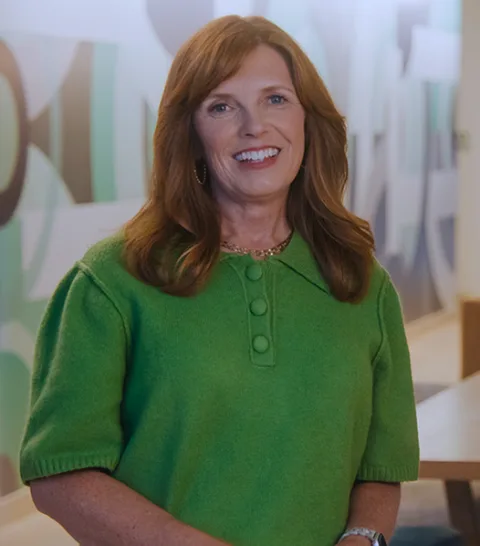
Governor candidate · State of Oregon · November 3, 2026
Christine Drazan
State senator; former House Republican leader.
Reach the campaign
- christinefororegon.com (opens in a new tab)
- info@christinefororegon.com
- (503) 406-8329
- Facebook (opens in a new tab)
- X (opens in a new tab)
- Instagram (opens in a new tab)
- YouTube (opens in a new tab)
- TikTok (opens in a new tab)
As published in their pamphlet statement and campaign site.
Campaign finance: sources, amounts and timing ↓
In their words
Said: Christine Drazan will make government work for the people of Oregon so our state is a place where families can afford to put down roots, find a good-paying job, receive a world-class education and feel safe in their neighborhoods.
Voters’ pamphlet
Candidate statement · Filed for the November 2026 pamphlet; posted by the Secretary of State September 9, 2026; extracted September 21, 2026
Oregon voters’ pamphlet candidate statement · PDF page 35 ↗Verbatim opening of the candidate's own statement; publication by the state does not verify the claims. Skipped before it: the heading “OREGONIANS DESERVE LEADERSHIP THAT PUTS THEM FIRST”, a quotation attributed “–Christine Drazan”, and the heading “DELIVERING ACCOUNTABILITY AND RESULTS”.
The verbatim opening of their voters’ pamphlet statement, the same rule for every candidate. We chose nothing.
What they say they would do
Our summary of their platform, in our wordsHer plan connects affordability to lower taxes and regulatory costs, faster construction and stronger expectations for schools and publicly funded services.
- Veto new taxes and fees; reform business and estate taxes and repeal the Climate Protection Program.
- Set a 120-day housing-permit limit and permit private plan review.
- Audit homelessness spending, expand treatment and recovery, and restore graduation standards.
Our reading
Our interpretation, not their wordsVetoing taxes and repealing the Climate Protection Program lower costs the state imposes, but also revenue and emissions rules; the plan's projected savings and the outcomes it promises still need evidence.
Where they stand
Housing and homelessness
120-day permit limit- What
Would pursue a 120-day maximum decision period for qualifying housing projects, limit repetitive appeals, expand private plan review when government backlogs are excessive, simplify commercial-to-housing conversions, create a state Housing Permit Command Center, and expand first-time-buyer credits and down-payment help from existing funds.
- How
- Said: A 120-day maximum decision period, limits on repetitive appeals, private plan reviewers when backlogs grow, a Housing Permit Command Center for concurrent agency reviews, a statewide library of pre-approved plans, and first-time-buyer credits from existing funds.
- Measured by
- Said: Says success is measured by actual units built, not by money spent or projects announced; no unit number or date is given.
Crime, drugs and who responds
Recovery first, audits- What
Would audit homelessness and addiction spending, shift state money to recovery-focused programs and homeless services, end funding for programs she says enable addiction, fully fund state police, let local governments clean up public spaces and raise penalties for drug traffickers.
- How
- Said: A full audit of homeless and addiction spending, rule and grant changes shifting money to recovery programs, fully funded state police, higher trafficker penalties and a declared addiction and mental-health emergency.
- Measured by
- Said: Success measured by how many people move from homelessness into recovery, treatment and permanent stability rather than by dollars spent; no number or date is given.
Taxes, the kicker and the budget
Veto new taxes- What
Would order agencies on day one to identify rules and fees that raise costs, veto new taxes and fees, raise the standard deduction, reform the corporate activity and estate taxes, cut property taxes for seniors and veterans, and protect the kicker.
- How
- Said: A day-one executive order directing every agency to identify rules and fees that raise costs, an affordability review with published findings before new rules, vetoes of tax and fee increases, and tax changes through the Legislature.
- Measured by
- Said: An annual Cost of Government Report and a public scorecard tracking permit timelines, energy costs, housing production and job growth; no savings figure is stated.
Roads, energy and climate
Repeal carbon program- What
Would repeal the Climate Protection Program executive order, favor existing generation, more transmission and technology-neutral energy with commissioners focused on lowest-cost power, and require community benefit agreements and farmland protection for data centers.
- How
- Said: Rescind the Climate Protection Program executive order, appoint utility commissioners focused on reliability and lowest-cost power, expand transmission, and require data centers to sign community benefit agreements.
- Measured by
- Not found in the reviewed sources
The choices this office faces
Every candidate in this race is asked the same 13 questions. Christine Drazan is on record on 13. A question without an answer is a research gap, not a position.
On recordRaise the gas tax and vehicle fees again to fund roads, after voters repealed the 2025 package?
Said: Voted no on HB 3991 in the House on September 1, 2025, and told KATU in April 2026 she would “balance the budget without new taxes,” putting potholes, maintenance and preservation first.
Let the state hold back part of a kicker refund for other uses?
Said: Would “protect Oregon’s kicker” by vetoing legislative attempts to take it from taxpayers.
Pause new data centers statewide until standards are set?
Said: Told KATU on September 8, 2026 that the governor “should issue a moratorium immediately” and that Oregon should have an immediate statewide moratorium; her plan adds community benefit agreements and a ban on blanket NDAs.
Should data centers pay a separate, higher electricity rate (the 2025 POWER Act)?
Said: Voted for HB 3546 in April 2025 and against it when it returned from the Senate in June; at the October 1, 2026 debate called it “window dressing,” saying regulators could already set large-user rates.
Keep the state homelessness emergency and its state-funded shelter beds going?
Said: Would declare an emergency on addiction and mental health, audit homeless spending and shift money to recovery programs and homeless services, not measuring success by low-barrier shelter beds; her plan does not address the homelessness emergency.
Keep the Climate Protection Program's declining cap on fuel emissions?
Said: Said at the October 1, 2026 debate she will rescind the program on day one, saying it will “drive up the cost of utilities and power” and calling it a political agenda that “harms families.”
Keep Oregon's vote-by-mail elections as they are?
Said: Said at the October 1, 2026 debate she backed the 2025 in-person voting bill over Postal Service concerns, not distrust, and wants people able to vote in person; calls herself a “strong supporter” of vote by mail.
Keep Oregon's sanctuary-law limits on helping federal immigration enforcement?
Said: Told KATU in April 2026 that Oregon’s sanctuary laws “have gone too far,” citing Corrections declining a U.S. attorney’s request about 30 people, and wants law enforcement able to work with federal law enforcement.
Require districts to keep and add classroom hours even when budgets are short?
Said: Would increase classroom time by moving Oregon from an instructional-hours system to a school-day system with statewide standards for a school day; her plan does not say how districts should keep hours when budgets are short.
On the topic; the exact choice is unsaid.
Raise new state taxes to cover the 2027–29 budget gap, or hold to cuts?
Said: Says business taxes are too high and Salem should tighten its belt; would raise the Corporate Activity Tax threshold past the $2 million the governor’s Prosperity Council suggested, reform the estate tax and selectively preempt local taxes.
Build the Interstate Bridge replacement as planned, with tolls, or scale it back?
Said: Says the state “can’t afford the I-5 bridge that they’re proposing,” objecting to the share of deck for biking, walking and transit, and would build a bridge Oregon can afford.
Keep the farmworker overtime schedule, which drops to 40 hours a week in 2027?
Said: Asked at the October 1, 2026 debate about raising the farm overtime threshold, said farmers need relief from the overtime rules to stay in business and that farm overtime clearly needs to be addressed.
Keep unemployment benefits for workers on strike, public employees included?
Said: Voted no on SB 916 in 2025; said at the October 1, 2026 debate that union members have strike funds and the law makes the unemployment insurance fund “less stable.”
A question the evidence leaves open
Which services would you reduce if tax changes lower revenue, and how would you evaluate faster permitting and treatment outcomes?
Sources (4)
- Drazan · policy planCandidate statement · Undated page; reviewed September 18, 2026
- 2026 qualified filing · RepublicanElection authority · Checked September 18, 2026
- 2026 qualified filing · LibertarianElection authority · Checked September 18, 2026
- Oregon voters’ pamphlet candidate statement · PDF page 35Candidate statement · Filed for the November 2026 pamphlet; posted by the Secretary of State September 9, 2026; reviewed September 21, 2026Campaign position. Claimed results and numerical premises have not automatically been independently verified.