
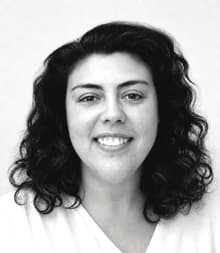
District 3 candidate · Portland City Council · November 3, 2026
Cristal Otero
Social-work and government-administration professional with homeless-services experience.
Reach the campaign
As published in their pamphlet statement and campaign site.
In their words
Said: Portland has difficult choices ahead. Costs are rising, budgets are tight, and residents need public services that actually work.
Pamphlet p. 59
Candidate statement · November 2026 edition; extracted September 20, 2026
Multnomah County voters’ pamphlet · PDF page 59 ↗Verbatim opening of the candidate's own statement; publication by the county does not verify the claims.
The verbatim opening of their voters’ pamphlet statement, the same rule for every candidate. We chose nothing.
What they say they would do
Our summary of their platform, in our wordsFocuses on the household cost of government decisions and housing stability for people with disabilities.
- Evaluate borrowing and infrastructure by their effect on monthly bills.
- Develop stable housing for people with intellectual disabilities and brain injuries.
- Keep PCEF spending tied to climate and support labor standards.
Our reading
Our interpretation, not their wordsShe evaluates affordability through wages, ownership and monthly bills together. Her emailed reply fills in the cooperative model: the co-op carries the financing, residents buy a subsidized membership share, resale follows an affordability formula, and buildings get capital-needs assessments before conversion. Her second reply adds targets elsewhere: a five-year goal of cutting the inflation-adjusted cost of water service at least 5%, and a 24-hour Street Response folded into the county’s crisis system. Not yet settled: which partner funds the ongoing co-op subsidy for the lowest-income households, and when a first building would convert.
Where they stand
Rent and homes
Rentals into co-ops- What
- Said: Supports more housing across incomes and anti-displacement protections, and proposes a pathway for roughly 5–20% of the Housing Bureau’s affordable rental portfolio (about 950 to 3,800 homes at today’s scale) to move to limited-equity cooperative ownership over time, aimed at households at 0–30% of area median income, starting with publicly owned or financed buildings whose residents want it.
- How
- Said: Start with publicly owned or financed buildings whose residents want it; the co-op owns the property and carries the financing, residents buy a subsidized membership share, and City, County, Metro, Home Forward and State money shares the cost.
- Measured by
- Said: Roughly 5–20% of the Housing Bureau’s 19,000-plus regulated affordable units, about 950 to 3,800 homes, moved to limited-equity co-ops over time, with monthly costs affordable to income and no loss of housing assistance.
Camps, crime and who responds
Response plus prevention- What
- Said: Supports emergency response alongside prevention, behavioral health and housing stability; the page does not name a police staffing target.
- How
- Said: Street Response teams assigned to high-contact areas and stronger jail-release handoffs (peer support, transportation, dedicated shelter or treatment capacity), aimed at people repeatedly cycling through streets, shelters, ERs and jail, with hospitals, Health Share, the Sheriff and providers.
- Measured by
- Said: Whether the people targeted spend fewer nights outside, cycle through jail and emergency rooms less often, and enter shelter, treatment and permanent housing at higher rates.
Your bills and taxes
Measure results first- What
- Said: Would test program results and, when more revenue is necessary, favor taxes on the wealthiest households and largest corporations over working households and small businesses.
- How
- Said: Scrutinize major water projects before costs are locked in, replace expensive borrowing with cheaper financing where available, pursue state and federal money, cut water loss, and review the fees and overhead the City charges the Water Bureau.
- Measured by
- Said: A five-year goal: the inflation-adjusted cost of water service down at least 5%, with safe, reliable service and a yearly public account of the savings.
Streets, buses and air
Climate fund for climate- What
- Said: Wants Portland Clean Energy Fund spending to remain tied to climate purposes.
- How
- Said: Tie Clean Energy Fund project reporting to the city’s emissions goals, especially for transportation, and coordinate more clean-energy money with transit, biking and clean transportation to make them cheaper and easier to use.
- Measured by
- Said: Measurable cuts in emissions, and what Portlanders experience in their transportation costs and choices.
The choices this office faces
Every candidate in this race is asked the same 8 questions. Cristal Otero is on record on 8. A question without an answer is a research gap, not a position.
On recordPublic money and terms for renovating the Moda Center?
Said: Supports renovating the Moda Center and keeping the Blazers, but before Portland fills the remaining gap would explore a Metro investment or ownership role and private philanthropy, sponsorship and naming rights to cut Portland taxpayers’ share.
Raise new revenue, or hold the line on taxes and fees?
Said: Says working households and small businesses should not be the automatic first source; when revenue is needed, asks more of the wealthiest households and largest corporations.
Hire more sworn officers, or invest first elsewhere?
Said: Told the 2024 OPB/Oregonian questionnaire she would not vote to fund hundreds more police officers, preferring clinical outreach teams with behavioral-health expertise and community-based safety.
Keep funding camp removals at current levels?
Said: Not in its current form: would keep removals for camps posing serious health, safety or access problems, but shift some Impact Reduction Program capacity into an embedded team in Parks and other front-line bureaus.
Restrict new AI data centers in the city?
Said: Would put stronger conditions on large new data centers: transparency on resource use, recovery of infrastructure costs from the companies, and strong energy-efficiency, water-use and labor standards, so residents do not subsidize them.
Expand Portland Street Response to a full 24/7 role?
Said: Would expand Street Response to 24 hours inside the existing behavioral-health system, with clearer roles alongside Project Respond’s 24-hour crisis teams and Tri-County 911’s frequent-caller work, and sustained follow-up for repeated crises.
Keep the monthly street repair fee?
Said: Skeptical that street maintenance needs another monthly fee; notes under 2% of PBOT funding comes from the General Fund and would look there for more maintenance money before adding $12 a month to household bills.
Raise water bills to pay for the Bull Run filtration plant and system repairs?
Said: Notes rates rose 8.1 percent and the Water Bureau pays about $100 million a year in debt service; would judge borrowing by monthly household cost.
Their answers to our questions
Which buildings could transition to resident ownership?
Said: I have proposed creating a pathway for roughly 5–20% of the Portland Housing Bureau’s affordable rental portfolio to transition to limited-equity cooperative ownership over time. The Portland Housing Bureau currently regulates more than 19,000 affordable units, so at today’s scale that would represent approximately 950 to 3,800 homes. [...] I would begin with publicly owned or publicly financed affordable housing where residents are interested in cooperative ownership and where the building is financially and physically appropriate for conversion.
How would residents be protected from financial risk?
Said: Residents should not have to qualify for conventional individual mortgages or suddenly become responsible for major building repairs. The cooperative would own the property and carry the primary financing, while residents would purchase an affordable—and for extremely low-income households potentially heavily subsidized—membership share. Buildings would need capital-needs assessments, adequate replacement reserves, and resources to address deferred maintenance before conversion. [...] Resale would be governed by an affordability formula rather than unrestricted market appreciation.
Who would pay for it?
Said: Portland cannot do this alone. Making this model work for households at 0–30% of area median income would require a stronger partnership among the City, Multnomah County, Metro, Home Forward, the State of Oregon, and affordable-housing providers. The City could help with acquisition, capital investment, land, and financing, while regional, county, state, and federal resources could help provide the ongoing affordability and housing assistance that extremely low-income households may still need.
Government experience
Said: After my fellowship ended, Fairview hired me as its COVID-19 Response Specialist. One of the first major municipal programs I developed and implemented was an emergency assistance program for small businesses affected by the pandemic. [...] At Multnomah County, I joined the early implementation of the Metro Supportive Housing Services measure. [...] One project I am particularly proud of was helping develop the first joint social-services procurement undertaken by Multnomah, Washington, and Clackamas counties. [...] Since 2024, much of my work has focused on Supportive Housing Services-funded programs operating in other Multnomah County departments.
Camps, crime and who responds
Said: I would focus more intensive resources on the smaller group of people repeatedly cycling through the street, shelters, emergency rooms and jail, rather than treating homelessness as one undifferentiated problem. I would assign Portland Street Response teams to high-contact areas so the same responders can build relationships over time and connect people to shelter, treatment and housing. I would also strengthen jail-release handoffs with peer support, transportation and dedicated shelter or treatment capacity. [...] I would measure success by whether the people we are targeting are spending fewer nights outside, cycling through jail and emergency rooms less often, and entering shelter, treatment and permanent housing at higher rates.
Your bills and taxes
Said: I would start with the bills the City directly controls. I would set a five-year goal of reducing the inflation-adjusted cost of water service by at least 5% while maintaining safe and reliable service. I would get there by scrutinizing major capital projects before costs are locked in, reducing reliance on expensive borrowing where lower-cost financing is available, pursuing more state and federal funding, reducing water loss, and reviewing the fees and overhead the City charges to the Water Bureau.
Streets, buses and air
Said: I would make those results more visible by connecting project-level reporting to Portland’s overall emissions goals, particularly transportation. I want more of our clean-energy investments coordinated with transportation—reducing transportation emissions while making transit, biking and clean transportation more affordable and accessible. Success should be visible in measurable emissions reductions as well as what Portlanders actually experience in their transportation costs and choices.
Moda Center deal
Said: I support renovating the Moda Center and keeping the Trail Blazers in their home, but I want us to be more creative about how we finance it. The State and Multnomah County are already making substantial commitments, so before Portland simply fills the remaining gap, I would explore whether Metro could take an investment or ownership role in this regional asset and pursue private philanthropy, sponsorship and naming opportunities.
Clearing camps
Said: Not in its current form. We still need the ability to remove camps that create serious health, safety or accessibility problems, but I would shift some Impact Reduction Program capacity into bureaus that encounter unsheltered homelessness every day, particularly Parks. [...] I would rather invest in reducing repeat problems than continually clear the same camps from one location to another.
Data centers
Said: I would put stronger conditions on large new data centers where their energy, water or infrastructure demands could shift costs onto Portland residents. At minimum, the City should require transparency about resource use, recover infrastructure costs from the companies creating them, and establish strong energy-efficiency, water-use and labor standards.
Street Response
Said: Yes, but I would do it as part of the behavioral-health response system we already have rather than building another parallel system. [...] I would expand Portland Street Response to 24 hours while creating clearer roles and coordination among those programs so the right responder is dispatched and people with repeated crises receive sustained follow-up rather than another one-time intervention.
Street repair fee
Said: I am skeptical that basic street maintenance should require another monthly utility fee. [...] Before adding $12 a month to a household’s utility bill, I would revisit how transportation is funded through the regular City budget and determine whether more ongoing revenue can be dedicated to basic maintenance. If we cannot fund a core responsibility within the existing budget, I want a clear explanation of why before asking Portlanders to pay another fee.
Council votes
No Council vote yet. That is not a judgment about experience.
A question the evidence leaves open
Which partner would fund the ongoing subsidy for co-op households at 0–30% of area median income, and when would a first building convert?
Sources (3)
- Multnomah County voters’ pamphlet · PDF page 59Candidate statement · November 2026 edition; reviewed September 18, 2026Written by the candidate or campaign. Publication by the county does not verify the claims.
- Otero · policy platformCandidate statement · Website reviewed September 18, 2026Campaign position. Claimed results and numerical premises have not automatically been independently verified.
- Otero · emailed response to the Lab’s questionsCandidate statement · Received September 19, 2026Written by the candidate in reply to the Lab’s questions and kept on file; excerpts appear on her brief. Receipt does not verify the claims.